
What are Ecommerce SEO Services?
Ecommerce SEO services is a targeted SEO services offering designed to improve the visibility of your online store in search engine results pages (SERPs). These services focus on optimizing product pages, category pages, and the overall structure of your site, ensuring that it ranks higher on search engines like Google and Bing. Ecommerce SEO experts say that ecommerce SEO is essential for achieving these goals and implementing effective ecommerce SEO strategies.
One of the key components of ecommerce SEO is keyword research and targeting. This involves identifying high-value keywords that are specific to your products and audience, ensuring that you attract qualified traffic to your site. Understanding customer search behavior allows you to tailor content to their needs, boosting your chances of appearing in search results.

On-page SEO enhancements are another crucial aspect of ecommerce SEO services. This includes optimizing meta tags, headers, product descriptions, and images to align with search engine algorithms and user intent. Creating more relevant and engaging content enhances search engine rankings and attracts more visitors.
Technical SEO improvements address the backend elements of your website. This includes enhancing site speed, ensuring mobile-friendliness, establishing secure HTTPS connections, and implementing structured data. These technical optimizations improve crawlability, user experience, and ultimately, your search engine rankings.
Content creation and marketing are also integral to ecommerce SEO services. Developing keyword-optimized content like blogs, buying guides, and FAQs attracts organic traffic and establishes your brand as a niche authority. Consistently producing high-quality content helps to build trust with your audience and keeps them coming back for more.
How Ecommerce SEO Services Drive Traffic
Driving traffic to your ecommerce website is the first step towards increasing your online presence and boosting sales. Ecommerce SEO services employ a variety of strategies to achieve this goal. These strategies include optimizing for relevant keywords, enhancing on-page SEO, boosting visibility through technical SEO, and leveraging content marketing. The SEO service cost depends on the specific strategies needed, but in almost all cases the ROI is worth it and will benefit the website long into the future.
Thorough keyword research by ecommerce SEO services pinpoints the search terms used by your customers. This allows your site to target the right audience and attract high-quality, relevant traffic. Additionally, analyzing competitors’ SEO strategies can uncover opportunities for growth.
On-page SEO strategies play a significant role in making your website more visible to search engines. Refining product titles, meta descriptions, headings, and product descriptions ensures your content is engaging and optimized for search engines.
Technical SEO improvements such as enhancing site speed, ensuring mobile responsiveness, and implementing structured data further boost your site’s visibility. Lastly, content marketing initiatives, such as creating blogs and guides, attract organic visitors while building your website’s authority and credibility.
Keyword optimization is the cornerstone of any effective ecommerce SEO strategy. It begins with thorough keyword research to identify the search terms your target audience is actively using. Understanding these search patterns ensures your website aligns with customer needs and search intent.
Ecommerce SEO services focus on both broad and long-tail keywords. Broad keywords help your online store rank for competitive terms, while long-tail keywords capture highly specific, niche traffic. This dual approach ensures that you can attract a wide range of potential customers.

Optimizing for Relevant Keywords
Keywords are strategically mapped to individual pages, such as product and category pages, to maximize their relevance and improve search engine rankings. Incorporating seasonal and trending keywords helps to capitalize on timely opportunities and drive additional traffic during peak periods.
Enhancing On-Page SEO
Continuous monitoring and refinement of keyword strategies ensure that your site remains competitive and adapts to changes in search trends or consumer behavior.
On-page SEO is all about making your content irresistible to both search engines and users. It starts with optimizing meta titles and descriptions to be both keyword-rich and compelling, encouraging higher click-through rates from search engine results. Well-crafted headings and subheadings improve readability and include target keywords, helping search engines better understand the content of each page.
Product descriptions are carefully crafted to provide valuable information, integrate relevant keywords naturally, and address customer needs. This not only increases your search engine rankings but also boosts conversions by making your products more appealing to potential buyers.
Images play a crucial role as well; they are optimized with descriptive ALT tags and compressed file sizes to improve load speed and accessibility, which are critical factors for search engine rankings.
Internal linking is strategically implemented to connect related pages, enhance user navigation, and distribute link equity throughout the website. This not only helps search engines crawl your site more effectively but also keeps visitors engaged, increasing the time they spend on your site and reducing bounce rates.
Boosting Visibility Through Technical SEO
Technical SEO is the backbone of a well-optimized website. It ensures that your site is fully crawlable and indexable by search engines by resolving issues such as broken links, duplicate content, and crawl errors. Addressing these technical aspects improves your site’s overall health and search engine rankings.
Optimizing site speed is a critical component of technical SEO. Techniques like image compression, browser caching, and minimizing code can significantly improve load times. A faster website not only ranks higher but also enhances user experience, keeping visitors on your site longer. Mobile responsiveness is equally important, as more and more users are shopping on their smartphones and tablets.
Structured data implementation, such as adding schema markup, helps search engines understand your content better and display rich snippets in search results. This increases click-through rates and drives more traffic to your site. Secure HTTPS connections and an optimized XML sitemap further improve your site’s technical health, fostering trust with users and search engines alike.
Content Marketing for Organic Growth
Content marketing is a powerful tool for driving organic growth. It focuses on creating valuable, keyword-optimized resources such as blogs, product guides, and FAQs. Regularly publishing fresh, relevant content signals to search engines that your site is active and authoritative, improving rankings over time.
Targeted content addresses specific customer pain points or questions, building trust and positioning your brand as a go-to resource in your industry. Internal linking within your content helps guide visitors to related pages on your site, increasing user engagement and time spent on your website.
Shareable content, such as how-to articles or infographics, encourages social media sharing and natural backlink generation, further boosting organic traffic.
How Ecommerce SEO Services Increase Revenue
Driving traffic to your site is just the beginning. The ultimate goal of ecommerce SEO services is to convert that traffic into revenue. Improving user experience with faster load times, intuitive navigation, and mobile-friendly designs increases the likelihood of visitors converting into customers.
Targeting high-intent keywords ensures that your website attracts shoppers who are ready to make a purchase, driving higher-quality traffic that results in increased sales. Strategic cross-selling and upselling techniques, such as linking related products and bundling offers, encourage customers to add more items to their cart, boosting average order value (AOV).
Ranking higher in search engine results builds trust and credibility with potential customers, making them more likely to choose your store over competitors. Leveraging data from SEO tools allows website SEO services to identify trends and high-performing products, enabling strategy adjustments to maximize profitability and ROI.
Better User Experience Equals Higher Conversions
A well-optimized website with intuitive navigation makes it easier for customers to find the products they need, reducing frustration and increasing the likelihood of completing a purchase. Faster load times improve user satisfaction, as visitors are more likely to stay on a site that loads quickly, leading to higher engagement and conversions.
Mobile-friendly designs ensure a seamless shopping experience for users on smartphones and tablets, catering to the growing number of mobile ecommerce shoppers. Clear calls-to-action (CTAs) and streamlined checkout processes eliminate friction points, making it simpler for customers to complete transactions on ecommerce sites, an ecommerce platform, ecommerce websites, and online stores, boosting online sales.
Enhancing product pages with high-quality images, detailed descriptions, and customer reviews builds trust and helps shoppers make informed decisions, driving more sales.
Ecommerce SEO services implement cross-selling strategies by linking related or complementary products on product pages, encouraging customers to purchase additional items. Upselling techniques are used to showcase premium or upgraded versions of products, persuading customers to choose higher-priced options. Bundling offers, such as “buy one, get one” or discounted product packages, incentivize shoppers to add more items to their carts, increasing overall spending.
Increasing Average Order Value (AOV)
Optimized product recommendations based on browsing history or popular items drive personalized suggestions, improving customer engagement and boosting AOV. Strategically placed promotions, like free shipping thresholds, encourage customers to spend more to qualify for added benefits.
Building Trust and Credibility
Appearing on the first page of search engine results establishes your brand as a trusted and authoritative presence in your industry, encouraging customers to choose your store over competitors. Positive customer reviews, testimonials, and ratings displayed on product pages and in search results build social proof, increasing shopper confidence in your offerings.
Implementing secure HTTPS protocols and clear privacy policies assures customers that their personal and payment information is safe, fostering trust. High-quality, informative content, such as product guides and FAQs, positions your brand as an expert resource, building long-term credibility with your audience.
Consistently ranking for relevant keywords reinforces your reliability, signaling to customers that your business is reputable and worth their investment.
Retargeting Through Data Insights
Ecommerce SEO services leverage powerful analytics tools to track user behavior, such as pages visited, time spent on site, and abandoned cart patterns, to identify potential customers for retargeting campaigns in an ecommerce business. This data-driven approach allows businesses to create personalized marketing strategies that resonate with their audience.
Understanding high-performing products and popular categories allows businesses to focus retargeting efforts on items most likely to convert. Retargeting based on geographic data or browsing history ensures that campaigns are highly relevant, increasing the chances of bringing back and converting lost customers. Continuous monitoring and optimization of retargeting campaigns using SEO data ensure better ROI and a more efficient use of marketing resources.
Using insights from these analytics, personalized marketing strategies such as targeted ads or email campaigns can effectively re-engage visitors who showed interest but didn’t complete a purchase. This ensures that no potential sale is left behind, maximizing the revenue potential of your ecommerce site.
Choosing the Right Ecommerce SEO Service Provider
Selecting the right ecommerce SEO service provider can make all the difference in your online success. There are many affordable SEO services out there, but it is important to look for a provider with a proven track record of success, demonstrated through case studies, testimonials, and measurable results for other ecommerce businesses.
Choose a provider with expertise in your industry or niche to ensure they understand your target audience and the unique challenges of your market. Transparency is key, so prioritize a provider who offers clear communication, detailed progress reports, and realistic expectations about timelines and outcomes.
Avoid agencies that use black-hat SEO techniques, such as keyword stuffing or link farming, which can lead to penalties and harm your website’s long-term performance. Instead, focus on finding a provider who offers a high level of customization and tailors their strategies to meet your specific business goals. This personalized approach ensures that your SEO efforts are aligned with your overall business strategy and objectives.
Summary
Ecommerce SEO services are a game-changer for online stores looking to enhance their visibility, drive traffic, and increase revenue. By focusing on optimizing for relevant keywords, enhancing on-page and technical SEO, and leveraging content marketing, these services ensure your site attracts high-quality, targeted traffic.
Moreover, by improving user experience and implementing effective cross-selling and upselling strategies, ecommerce SEO services can significantly boost your average order value and overall sales. Building trust and credibility through high search engine rankings and secure, user-friendly websites further solidifies your position in the market.
Choosing the right ecommerce SEO service provider is crucial for achieving these goals. Look for a provider with a proven track record, industry expertise, and a commitment to transparency and customization. By partnering with the right experts, you can turn your ecommerce site into a thriving online business, ready to conquer the digital marketplace.
Frequently Asked Questions
How much does eCommerce SEO cost?
Ecommerce SEO typically costs between $500 and $7,500 per month, but your spending may vary based on specific needs and factors. It’s worth considering what works best for your business!
What are ecommerce SEO services?
Ecommerce SEO services are all about boosting your online store’s visibility on search engines by optimizing product and category pages, plus the overall site structure. It’s essential for driving traffic and increasing sales!
How do ecommerce SEO services drive traffic to my site?
Ecommerce SEO services boost your site traffic by optimizing keywords and improving your on-page and technical SEO, making it easier for potential customers to find you. It’s all about getting that organic traffic flowing to your store!
How can ecommerce SEO services increase my revenue?
Ecommerce SEO services can boost your revenue by enhancing user experience and targeting high-intent keywords, which helps attract more buyers. Plus, techniques like cross-selling and upselling can really maximize your sales potential.
What should I look for in an ecommerce SEO service provider?
Choose an ecommerce SEO service provider that has a solid track record, understands your industry, and communicates openly. Plus, make sure they tailor their strategies to fit your business goals and focus on ethical practices.
Understanding On Page SEO
On-page SEO refers to the optimization techniques applied directly to a website’s pages to enhance performance and visibility. Unlike off-page SEO, which involves external factors like backlinks, on-page SEO focuses on elements within your control, such as content quality, title tags, internal links, and on site seo. Optimizing individual web pages significantly improves search engine rankings and attracts more organic traffic.
Creating content that is both user-friendly and search-engine-friendly is at the core of on-page SEO. This involves a delicate balance of incorporating target keywords, structuring URLs, and ensuring that your content aligns with user intent. Search engine crawlers analyze these on-page elements to determine the relevance and value of your web pages, ultimately influencing their position on search engine results pages.
Understanding why on-page SEO is important is the first step toward mastering it. Achieving higher search rankings increases visibility, generates more clicks, and enhances the likelihood of converting visitors into customers. Moreover, well-optimized content helps search engines understand the context of your pages, making it easier to match them with relevant search queries.
Key Elements of On Page SEO

Mastering on-page SEO requires understanding its key elements. Title tags and meta descriptions are crucial as they summarize page content and can significantly impact search rankings and click-through rates. Craft title tags and meta descriptions to be concise, unique, and incorporate relevant keywords.
Internal links are another vital component. They guide users and search engines through your website, helping to establish the relevance of various pages. Properly optimized on-page elements, such as structured headings, not only improve content organization but also make it easier for both users and search engines to understand your content.
Other important aspects include header tags, URL structure, and keyword usage. Effectively using these elements enhances your website’s visibility in search engine results, driving more organic traffic and improving overall SEO performance.
Importance of On Page SEO
The importance of on-page SEO cannot be overstated. It critically influences overall website performance, affecting search rankings, user experience, and content discoverability. Strong engagement and increased customer trust from effective on-page SEO strategies ultimately boost conversion rates. On page seo important for achieving these results.
Optimized pages are more likely to rank higher in search results, providing a competitive edge. Google prioritizes user experience when ranking pages, so focus on creating content that keeps users engaged and satisfied.
Meta descriptions and title tags significantly impact SEO, aiding search engines in understanding page relevance and influencing click behavior. A well-crafted meta description can increase organic click-through rates significantly, attracting more visitors to your site.
Additionally, fast-loading pages are an important ranking signal for search engines and directly impact user satisfaction.
Effective Keyword Research
Successful on-page SEO strategies are built on thorough keyword research. This research identifies opportunities where your content can meet user needs and attract traffic. Understanding user search intent influences content structuring for better ranking.
Incorporating both head terms and long-tail keywords in your strategy enhances your chances of ranking for a variety of search queries. Keyword research tools streamline finding relevant keywords, making it easier to tailor your content to user searches.
Analyzing competitors’ keyword strategies can reveal opportunities for ranking on target keyword terms they may overlook. Regularly evaluating targeted keywords helps adapt to changing trends and search behaviors, keeping your content relevant and competitive.
Optimizing Title Tags and Meta Descriptions
Title tags and meta descriptions optimization is fundamental to on-page SEO. Ensure title tags are concise, unique, and include target keywords for better SEO performance. These HTML elements display the page title in search engines, essential for visibility.
Placing the main keyword near the start of the title tag helps both search engines and users understand the page’s focus. Craft engaging title tags that are concise and under 55 characters to enhance visibility in search results. Avoid overly sensational terms to prevent appearing as clickbait.
Meta descriptions should ideally be around 155 characters and summarize the page’s content. Including relevant keywords and a call to action significantly enhances click-through rates. Tools like Yoast SEO facilitate the automation and optimization of meta titles and descriptions.
Creating High-Quality Content

High-quality content is the cornerstone of effective on-page SEO. Engaging content is critical for SEO success, influencing both rankings and user retention. Google’s algorithms prioritize content that is helpful to users over content solely aimed at improving rankings.
E-E-A-T (Experience, Expertise, Authoritativeness, Trustworthiness) principles establish content credibility. Quality content offers original insights or research beyond mere summarization. Craft content with a clear audience in mind to meet their needs.
Headings and subheadings improve readability for users and help Google comprehend page structure. Building topic clusters and content hubs enhances topical relevance and establishes your site as an authority within a specific niche.
Structuring URLs for SEO
Proper URL structuring is crucial for on-page SEO. URLs must be user-friendly and descriptive, reflecting their content. Clear and logical URL structures aid user comprehension and search engine indexing.
Trim unnecessary parameters from URLs to enhance simplicity and effectiveness. Use straightforward, descriptive words in URLs instead of complex ID numbers. Hyphens enhance readability for both users and search engines by separating words.
Avoid non-ASCII characters in URLs to maintain clarity and prevent encoding issues. Complex URLs with multiple parameters hinder search engine crawlers; keep them simple and straightforward.
Internal Linking Best Practices

Internal linking aids search engines in understanding site structure and enhances user navigation. Keyword-rich internal link anchor text provides context about the linked page, aiding both users and search engines.
Regularly audit internal links to reveal areas for improvement or addition, ensuring a well-structured and navigable site. Maintain a balance and avoid overusing internal links to prevent diluting their value.
Strategically linking from the homepage directs authority to key pages needing visibility. Linking both to and from important pages transfers authority and improves their search rankings.
Enhancing User Experience
User experience enhancement is a key component of on-page SEO. A mobile-friendly design improves user experience and maintains search rankings. With over half of internet traffic coming from mobile devices, fast mobile page speed is essential.
Page load speed directly influences user experience and impacts search engine rankings. A Content Delivery Network (CDN) reduces server response time by distributing content closer to users. Minifying HTML, CSS, and JavaScript files reduces overall web page loading time.
Loading above-the-fold content first provides users with essential information quickly, enhancing their experience. On-page SEO improves site structure and navigation, contributing to a better overall user experience.
Image Optimization Techniques
Image optimization is crucial for on-page SEO. Alt text provides context to search engines and accessibility for visually impaired users. Resizing images to match the maximum display size prevents loading oversized files unnecessarily.
Compressing images reduces file size, enhancing loading speed and user experience. Using the right image format, like JPEG or WebP, vastly improves load times and quality for web use. Lazy loading causes images to load only when visible on the user’s screen, improving page speed.
An image sitemap helps search engines index images properly, increasing chances of appearing in search results. Unique images instead of stock photos enhance your website’s credibility and improve SEO.
Leveraging External Links

External links enhance on-page SEO by providing value to users and boosting content credibility. Linking to high-quality, authoritative sites enhances your content’s perceived reliability.
Link to relevant, high-quality sites, as low-quality links can harm your website’s credibility. Limit external links to a few high-quality ones to keep the page uncluttered. Relevant anchor text in external links helps search engines understand the content context.
Regularly monitor external links to maintain their quality and relevance, positively impacting SEO. Disavowing harmful external links protects your site’s SEO performance and reputation.
Targeting Featured Snippets
Featured snippets significantly enhance search result visibility. They provide short, direct answers to queries, enhancing visibility. Include relevant content formats, such as definitions or lists, to optimize for a featured snippet.
Provide a clear, concise answer to the user’s query in your content. Align content format with the type of featured snippet targeted, such as paragraphs, lists, or tables. Focus on keywords where your content ranks in the top five results to maximize chances of obtaining featured snippets.
Using H2 or H3 tags in HTML elements enhances the likelihood of Google pulling content for snippets. Avoid brand names in snippet content to ensure clarity and relevance for voice searches.
Utilizing Schema Markup
Schema markup improves search engines’ understanding of page information, enhancing search result relevance. Schema markup implementation aids in deciphering content context, leading to better search result displays.
Rich results are enhanced search results offering extra page information, such as product ratings and recipe details. Specific schema types, like review or FAQ schema, can lead to Rich Snippets, further enhancing click-through rates.
Rich Snippets provide crucial data beyond typical meta descriptions, including images, ratings, and reviews. Enhanced search results drive higher click-through rates by providing users with more engaging information.
Monitoring and Updating Content
Content monitoring and updates are essential for maintaining optimal on-page SEO. Ongoing commitment to content relevance and alignment with search engine algorithms is crucial. Regular monitoring of content helps adapt to changes in SEO algorithms, user behavior, and industry trends.
Perform routine checks on content at least once a month, with more in-depth assessments quarterly. Using tools like Clearscope can simplify the process of monitoring the performance of existing content and highlight areas needing refreshes.
Regular updates to existing content can be less resource-intensive compared to creating new articles, enabling a more efficient content strategy. Updating outdated content is essential to maintain its relevance and improve its search ranking.
Advanced On Page SEO Techniques
Applying advanced on-page SEO techniques can significantly boost website performance and search visibility beyond basic tactics. Conducting regular SEO audits identifies areas of improvement, ensuring the website performs optimally in search rankings.
Using animated images can increase the time users spend on a page, which may positively influence SEO rankings. Implementing these advanced techniques can lead to improved user satisfaction and higher search engine rankings.
Summary
In summary, mastering on-page SEO involves a comprehensive approach that covers everything from keyword research and content creation to technical elements like URL structure and internal linking. By focusing on these strategies, you can significantly enhance your website’s performance, attract more organic traffic, and improve search engine rankings.
Remember, on-page SEO is not a one-time task but an ongoing process that requires regular monitoring and updates to stay ahead of the competition. By implementing the techniques discussed in this guide, you’ll be well on your way to achieving SEO success.
Keep pushing the boundaries, stay updated with the latest trends, and watch your website climb the search engine rankings. Happy optimizing!
Frequently Asked Questions
What is on-page SEO, and why is it important?
On-page SEO involves optimizing elements on your website to improve its performance and search engine visibility. It is essential as it directly impacts your search rankings and user experience, leading to increased organic traffic.
How do title tags and meta descriptions impact SEO?
Title tags and meta descriptions are crucial for SEO as they enhance page relevance for search engines and drive higher click-through rates. Optimizing them can lead to improved search engine rankings and increased traffic.
What are some effective keyword research strategies?
To conduct effective keyword research, focus on understanding user search intent, utilize a mix of head terms and long-tail keywords, leverage keyword research tools, and analyze your competitors’ strategies. Regularly updating your targeted keywords will help you stay aligned with evolving trends and search behaviors.
Why is creating high-quality content important for SEO?
Creating high-quality content is crucial for SEO because it engages users, improves rankings, and retains visitors. By focusing on providing valuable, original insights and adhering to E-E-A-T principles, you ensure that your content meets Google’s standards for helpfulness and relevance.
How can I enhance user experience on my website?
To enhance user experience on your website, focus on a mobile-friendly design, optimize page load speed, and utilize a Content Delivery Network (CDN). Prioritizing above-the-fold content will also significantly improve user satisfaction and boost search engine rankings.
The Growing Role of AI in SEO
Artificial intelligence is no longer a futuristic concept; it’s a present-day reality that’s reshaping the SEO landscape. The growing role of AI in SEO is evident in various aspects, from content optimization to personalized search results. AI-driven algorithms like Google’s BERT and MUM analyze the context and nuances of queries, delivering more accurate and relevant search results. Search engines are becoming smarter, understanding the intent behind searches rather than just focusing on keywords.
AI tools have revolutionized keyword research by processing large datasets quickly, uncovering actionable insights that would take humans hours, if not days, to identify. These insights include keyword opportunities and user behavior patterns, enabling SEO professionals to craft more effective strategies. Using AI SEO tools, businesses can stay ahead of the curve, adjusting their strategies based on real-time data and predictive analytics.
AI also enhances website elements like content structure, page speed, and mobile usability, directly influencing search engine rankings. Imagine having an AI writing tool that continuously monitors your website’s performance, identifying areas for improvement and implementing changes automatically. This level of optimization ensures that your site not only meets but exceeds SEO best practices, boosting your organic search rankings.

Personalized search results are another significant benefit of using AI for SEO. AI tailors search results to individual preferences and browsing history, creating highly targeted experiences that drive more organic traffic. This means that users are more likely to find what they’re looking for, increasing engagement and conversion rates. Additionally, by forecasting emerging trends and shifts in search behavior, AI enables businesses to proactively adjust their SEO strategies.
The integration of AI into SEO is not just a trend; it’s a fundamental shift in how we approach digital marketing. Embracing AI-powered search engines and tools allows businesses to achieve unprecedented levels of efficiency, accuracy, and personalization in their SEO efforts.
AI-Powered Content Creation and Optimization
Creating high-quality, SEO-friendly content has always been a cornerstone of effective digital marketing. However, the advent of AI tools like Jasper, ChatGPT, and SurferSEO is revolutionizing how content is generated and optimized. These AI-powered tools are making it easier than ever to create articles and blog posts that not only meet but exceed SEO best practices.
One of the key advantages of using AI for SEO content creation is its ability to identify user intent and optimize content accordingly. AI analyzes large volumes of data to provide insights into what audiences are searching for, enabling marketers to create content that aligns perfectly with user intent. This not only improves search engine rankings but also enhances user satisfaction and engagement.
AI tools also provide valuable insights into the types of content that perform well in specific niches. Marketers can use these insights to make informed decisions about the topics to cover and the formats to use. For instance, if data shows that long-form content performs better in a particular niche, marketers can adjust their content creation strategies to focus on producing in-depth articles.
On-page SEO elements such as meta tags, headers, and keyword placement are critical for optimizing content. AI streamlines the process of optimizing these elements, ensuring that every piece of content is fully optimized for search engines and includes internal links. This automated optimization not only saves time but also ensures consistency across all content, which is crucial for maintaining high search engine rankings.
While AI brings efficiency and precision to SEO content creation, it’s important to combine this with human creativity. AI can generate and optimize content, but it lacks the emotional and creative touch that only humans can provide. Combining AI-driven insights with human creativity enables businesses to create engaging, SEO-friendly content, boosting organic traffic and improving website visibility.
Voice Search and Conversational AI
The rise of voice search is reshaping the SEO landscape, requiring content to be optimized for natural, conversational language. As more users turn to voice assistants like Siri, Alexa, and Google Assistant, the importance of conversational AI in SEO cannot be overstated. These AI-powered virtual assistants are changing how users interact with search engines, making it essential for businesses to adapt their SEO strategies.
Conversational AI technologies are enhancing the ability of search engines to understand and respond to voice queries. This means that search engines are becoming better at interpreting the nuances of spoken language, providing more accurate and relevant search results. For businesses, this presents an opportunity to optimize their content for voice search, ensuring they capture the growing number of users who prefer this mode of searching.

Structuring content with concise, direct answers is crucial for ranking higher in voice search results and featured snippets. Users typically ask voice assistants questions in a conversational manner, so content that provides clear and direct answers is more likely to be featured. This not only improves visibility but also enhances the overall user experience.
AI-powered virtual assistants are shaping the way users interact with search engines, and businesses must adapt to these changes. Optimizing for long-tail keywords and question-based phrases ensures better alignment with voice search trends and search intent. For instance, instead of targeting the keyword “best restaurants,” a business might optimize for “What are the best restaurants near me?” This approach aligns with how users phrase their queries when using voice search.
Voice search and conversational AI are not just passing trends; they represent a fundamental shift in how users search for information. Optimizing content for voice search helps businesses stay ahead and meet the evolving needs of their audience.
Personalization Through AI in SEO
Personalization has become a cornerstone of effective SEO strategies, and AI plays a pivotal role in delivering personalized search experiences. By analyzing user behavior and preferences, AI tailors search results to individual users, enhancing the overall user experience. This level of personalization not only improves search engine rankings but also drives higher engagement and conversion rates.
AI allows businesses to create hyper-targeted marketing strategies that cater to specific audience segments. AI SEO tools help marketers identify the unique needs and preferences of different audience segments, allowing them to create personalized content that resonates. This targeted approach ensures that marketing efforts are more effective and that content reaches the right audience at the right time.
Local SEO is another area where personalization through AI is making a significant impact. By tailoring search results based on location and user intent, AI improves the relevance of local search results. This is particularly important for businesses that rely on local customers, as it ensures they appear in relevant local searches and attract more local traffic.
AI-driven tools help identify content that resonates with individual users, increasing engagement and conversion rates. Understanding which types of content users engage with the most enables businesses to create more of what works and less of what doesn’t. This data-driven approach ensures that content strategies are continually optimized for better performance.
Integrating AI-powered personalization into SEO strategies allows businesses to build stronger connections with their target audience. Delivering personalized experiences fosters loyalty and trust, ultimately driving long-term success. In a world where users expect personalized experiences, leveraging AI for SEO is not just an option; it’s a necessity.
Predictive Analytics and AI in Keyword Research
Keyword research is a fundamental aspect of SEO, and AI-powered predictive analytics is revolutionizing this process. AI uses predictive analytics to identify emerging trends, helping businesses target keywords that will gain traction in the future. This proactive approach ensures that SEO strategies are ahead of the curve, capturing new opportunities before competitors do.
AI tools analyze search data and patterns, streamlining keyword research, saving time, and improving accuracy. Traditional keyword research can be time-consuming and labor-intensive, but AI tools can quickly analyze vast amounts of data to identify relevant keywords. This efficiency allows SEO professionals to focus on other critical tasks, enhancing overall productivity.

Predictive analytics helps uncover high-performing long-tail keywords that align with user intent and niche markets. Long-tail keywords are often less competitive and more specific, making them valuable for targeting niche audiences. AI tools can identify these high-performing keywords, enabling businesses to optimize their content for better search engine rankings.
Seasonal trends play a significant role in keyword performance, and AI-driven keyword tools provide insights into these trends. By understanding how keyword popularity fluctuates throughout the year, businesses can optimize their content for timely relevance. This ensures that content is always aligned with current trends, maximizing its impact.
Using predictive analytics, marketers can proactively adjust their SEO strategies to stay ahead of competitors. Businesses can continually refine their SEO efforts by anticipating changes in search behavior and keyword trends, ensuring they maintain a competitive edge. AI-driven keyword research is not just about finding the right keywords; it’s about staying ahead in a dynamic and competitive landscape.
Automation of Technical SEO
Technical SEO is a critical component of any SEO strategy, and AI is transforming how these tasks are managed. AI automates time-consuming technical SEO tasks like website audits, broken link detection, and error identification, improving efficiency. This automation allows businesses to focus on strategic growth while ensuring their website remains optimized for search engines.
One of the key benefits of AI in technical SEO is the simplification of schema markup implementation. Schema markup is essential for making content more accessible to search engines, but its implementation can be complex. AI tools simplify this process, ensuring that schema markup is correctly applied and maintained.
AI tools also enhance site performance by optimizing page speed, mobile usability, and other factors critical to search rankings. A well-optimized site not only ranks higher in search results but also provides a better user experience. An ai tool continuously monitors site performance, identifying areas for improvement and implementing changes automatically. Using an seo tool can further streamline this process.
Consistent monitoring and updates to technical SEO elements are crucial for maintaining optimal site functionality. Automated tools powered by AI ensure that technical SEO elements are continually monitored and updated, reducing the risk of overlooked issues. This proactive approach ensures that the site remains in top condition, improving its overall SEO performance.
Leveraging AI for technical SEO allows businesses to focus on strategic growth while maintaining optimal site functionality. Automating repetitive tasks and ensuring consistent optimization with AI tools frees up valuable time for SEO professionals to focus on higher-level strategies. This combination of automation and strategic focus is essential for achieving long-term SEO success.
Ethical and Practical Challenges
While AI offers numerous benefits for SEO, it also presents ethical and practical challenges that must be addressed. Over-reliance on AI in SEO can lead to content that lacks authenticity and human creativity, impacting user engagement. It’s essential to strike a balance between automation and human touch to ensure content remains engaging and authentic.
Ethical concerns arise when AI-generated content is used without proper transparency or attribution. Users have a right to know when content is generated by AI, and businesses must be transparent about their use of AI tools. This transparency builds trust and ensures that ethical standards are maintained.
AI tools may unintentionally reinforce biases in data, which can affect the fairness and inclusivity of SEO strategies. It’s crucial to regularly review and audit AI-generated content to identify and address any biases. This ensures that SEO strategies are fair and inclusive, catering to diverse audiences.
Balancing automation with user-focused approaches is essential to ensure content meets the needs and expectations of audiences. While AI can automate many SEO tasks, it’s important to keep the user at the center of all strategies. This balance ensures that SEO efforts are effective and aligned with user expectations.
Practical challenges, such as the cost and complexity of implementing AI tools, can be barriers for smaller businesses. While AI offers significant benefits, it’s essential to consider the practical aspects of implementation. Businesses must weigh the costs and benefits to determine the best approach for their specific needs.
Future SEO Trends to Watch Beyond 2025
As we look beyond 2025, the landscape of SEO is set to evolve even further, driven by emerging technologies and changing user behaviors. One of the most exciting developments is the integration of augmented reality (AR) and virtual reality (VR) into SEO strategies. These technologies offer immersive experiences that can enhance how users interact with content, providing new opportunities for engagement and optimization.

AI-driven search algorithms will continue to evolve, becoming more intuitive and context-aware. These advanced algorithms will provide users with more precise and relevant search experiences, making it even more critical for businesses to stay updated with the latest SEO practices. As AI continues to improve, the ability to deliver personalized, contextually relevant content will become a key differentiator in search engine rankings.
Privacy-focused SEO practices will also gain prominence as data protection regulations become stricter. Businesses will need to ensure compliance with these regulations while still delivering personalized experiences. This balancing act will require innovative approaches to data management and user engagement, ensuring that privacy and personalization can coexist.
The integration of multimodal search, which combines text, image, and video, will offer new opportunities for content optimization. As search engines become capable of processing and understanding multiple forms of content simultaneously, businesses will need to create diverse and engaging content that can be easily discovered and ranked. This trend will challenge traditional SEO practices and require a more holistic approach to content creation and optimization.
Finally, businesses will need to adapt to new search interfaces, including wearable devices and advanced conversational AI platforms. These interfaces will change how users search for information, requiring businesses to optimize their content for a variety of devices and platforms. Staying ahead of these trends will ensure that businesses remain competitive in an ever-changing digital landscape.
Summary
The transformative impact of AI on SEO is undeniable. From revolutionizing content creation and optimization to enhancing personalization and automating technical tasks, AI is reshaping how businesses approach digital marketing. The integration of AI-driven tools and strategies offers unprecedented opportunities to boost organic traffic, improve search engine rankings, and create high-quality, engaging content.
Staying updated with the latest trends and technologies is crucial for maintaining a competitive edge. As AI continues to evolve, businesses must be proactive in adapting their SEO strategies to leverage the full potential of these advancements. Whether it’s optimizing for voice search, using predictive analytics for keyword research, or embracing new search interfaces, staying ahead of the curve is essential for long-term success.
Embracing AI tools and strategies is not just about keeping up with the times; it’s about setting the stage for future growth and innovation. By leveraging AI to enhance SEO efforts, businesses can build stronger connections with their audience, drive engagement, and achieve their digital marketing goals. The future of SEO is bright, and those who embrace AI will be well-positioned to thrive in this dynamic landscape.
Frequently Asked Questions
How is AI changing the way we approach keyword research?
AI is revolutionizing keyword research by leveraging predictive analytics to identify emerging trends and optimize long-tail keyword selection, ultimately enhancing accuracy and efficiency in the process.
What are the benefits of using AI tools for content creation and optimization?
Using AI tools such as Jasper and ChatGPT enhances content creation by efficiently identifying user intent and optimizing on-page elements, resulting in high-performing content. This ultimately streamlines the content development process and drives better engagement.
How does AI enhance personalization in SEO?
AI enhances personalization in SEO by analyzing user behavior and preferences to provide tailored search results and optimize marketing strategies, ultimately boosting engagement and conversion rates.
What are the ethical concerns associated with using AI in SEO?
The ethical concerns associated with using AI in SEO include over-reliance on technology, a lack of transparency in AI-generated content, and the risk of reinforcing existing biases. Addressing these issues is crucial to ensure responsible utilization of AI in the industry.
What future trends should businesses watch for in SEO beyond 2025?
Businesses should closely monitor the integration of AR and VR, the evolution of AI-driven search algorithms, and privacy-focused SEO practices beyond 2025. Additionally, staying ahead of trends in multimodal search and new search interfaces, such as wearable devices, will be crucial for maintaining a competitive edge.
Understanding SEO Outsourcing
SEO outsourcing refers to hiring external experts to manage various SEO tasks for your business. This approach offers flexibility in handling your SEO needs, as virtually all SEO services can be outsourced, from keyword research to technical SEO audits. External expertise can significantly enhance SEO performance, improve search rankings, and drive more organic traffic to business websites. Additionally, many companies choose to outsource their SEO efforts to maximize efficiency.
One of the primary advantages of outsourcing your SEO services is the potential for accelerated business growth. When companies outsource their SEO efforts, they can focus on core activities while experts handle the complexities of search engine optimization. This not only enhances SEO performance but also allows your businesses to grow more quickly and efficiently.
Moreover, outsourcing SEO to an SEO services company can be a strategic move for businesses that lack the bandwidth, resources, or tools to implement effective SEO strategies on their own.
Common SEO Services to Outsource
Several SEO services are ideal candidates for outsourcing, each playing a crucial role in a comprehensive SEO strategy. Keyword research is one such service, vital for aligning your content with the search behavior of your target audience. Effective keyword research allows you to identify keywords to target that can lead to increases in your website’s visibility and attracts qualified traffic, making it a cornerstone of successful SEO campaigns.
Content creation is another essential SEO service that can be outsourced. Skilled writers and strategists can help businesses create SEO-friendly content in various formats, including blog posts and infographics. This not only improves search engine rankings but also engages and informs the audience.
Link building, often considered one of the more challenging aspects of SEO, can also be effectively managed by external experts. Established relationships with reputable websites and strategic link-building efforts can significantly enhance your site’s authority and search rankings.
Technical SEO services, including regular site audits, improving site navigation, and managing redirects, are also commonly outsourced. These tasks require specialized knowledge and tools to ensure your website is optimized for search engines and page SEO. Outsourcing technical SEO tasks ensures websites remain optimized and compliant with search engine guidelines, enhancing online visibility and performance.
Benefits of Outsourcing SEO Services
Outsourcing SEO services offers a multitude of benefits that can significantly impact your business’s success. These advantages include cost-effectiveness, access to specialized expertise, and substantial time savings, each contributing to a stronger and more efficient SEO strategy.

Cost-Effectiveness
One of the primary benefits of outsourcing SEO is the cost savings compared to maintaining an in-house team. Outsourcing eliminates long-term salary commitments and training expenses, making it a more affordable option. Businesses can choose from various pricing models, such as one-time fees, monthly retainers, or performance-based fees, allowing for flexibility in budgeting.
Access to Expertise
Outsourcing SEO services provides access to a wealth of specialized knowledge and advanced tools that may not be available internally. Partnering with an SEO agency ensures that your strategies remain effective and up-to-date with the latest trends and algorithm changes. This access to extensive experience and expertise significantly enhances your SEO capabilities.
Working with seasoned SEO professionals means your SEO tasks are handled by experts who perform these activities daily, leading to more effective and efficient outcomes. This level of expertise allows businesses to stay ahead of the competition and achieve better results in their SEO efforts.
Time Savings
Outsourcing SEO services can generate substantial time savings for businesses. Entrusting SEO tasks to external experts allows businesses to focus their internal resources on core objectives. This reallocation of time allows companies to concentrate on high-impact activities that drive growth and innovation.
Overall, the time savings from outsourcing SEO contribute to improved operational efficiency and business success. Avoiding the complexities of in-house SEO management helps businesses streamline operations and achieve better results.
Choosing the Right SEO Partner
Selecting the right SEO partner is crucial for achieving your desired results and implementing effective SEO strategies. This process involves defining your SEO goals, evaluating potential providers, and setting clear expectations to ensure a successful partnership.

Defining Your SEO Goals
Setting clear SEO goals is essential as it provides direction for your outsourcing strategy. Specific objectives help determine the right services and specialized skills needed for outsourcing, ensuring that your efforts align with your business goals. Clearly outlining your SEO goals can streamline the selection process and ensure alignment with your overall business objectives.
Establishing clear benchmarks also enables businesses to measure the success of their SEO initiatives effectively. By defining what success looks like, you can better track progress and make necessary adjustments to your strategy.
Evaluating Potential SEO Providers
When evaluating potential SEO agencies or experts, it’s essential to look for a good reputation and proven results. This includes seeking out professionals or agencies with positive reviews, a proven track record, and a range of services that match your needs. Asking for reviews, case studies, and testimonials can help you make an informed decision.
Transparency and effective communication from the SEO service provider are crucial for a successful partnership. Additionally, evaluating the provider’s communication style and quality of their website can offer insights into their professionalism and capabilities.
Setting Clear Expectations
Setting clear expectations with your SEO provider is crucial to avoid misunderstandings and ensure a smooth working relationship. This involves defining the scope of work, expected deliverables, and timelines for completion. Clear agreements help maintain alignment and prevent disputes during the project.
Discussing performance metrics and outcomes during vendor interviews also helps gauge their suitability and ensures that both parties have aligned goals. Documenting these expectations in a contract can further solidify the agreement and provide a reference point throughout the project.

Managing Your Outsourced SEO Team
Effectively managing your outsourced SEO team is vital for achieving your SEO goals. This involves providing necessary access, maintaining regular communication, and monitoring performance to ensure the success of your SEO campaigns.
Providing Necessary Access
Providing your SEO provider with access to relevant tools and analytics is crucial for executing effective strategies. This access enables them to perform their tasks efficiently and make data-driven decisions that enhance your SEO performance.
Regular Communication
Regular communication is essential for maintaining alignment and addressing any issues swiftly during the SEO campaign. Establishing regular communication channels and scheduling check-ins ensures all parties are informed and engaged throughout the process.
It is important to allow time for revisions and approvals. Other contingencies that may affect the schedule should also be considered. Regular updates help maintain transparency and keep the project on track, fostering a successful collaboration.
Monitoring Performance
Monitoring the performance of your SEO campaign is essential for tracking progress and making necessary adjustments. Breaking the SEO project into milestones and assigning deadlines helps in managing the workflow effectively. Clear deadlines allow both the agency and the business to plan their work efficiently and keep the project on track.
Regular review meetings should focus on assessing progress against key performance indicators (KPIs), addressing challenges, and refining strategies. These meetings provide an opportunity to ensure that the SEO efforts are aligned with your business goals and to share ideas for continuous improvement.

Using dashboards for live updates and progress monitoring allows for timely adjustments to campaigns. Active oversight of the SEO team ensures accountability and helps maintain the effectiveness of the SEO strategy.
Potential Challenges of Outsourcing SEO
While outsourcing SEO offers numerous benefits, it also presents certain challenges that businesses need to be aware of. These challenges include limited control over SEO practices, communication barriers, and the risk of black-hat practices.
Limited Control
Outsourcing SEO often means giving up some degree of control over the strategy and execution of SEO efforts. This loss of control can impact the effectiveness and alignment of SEO strategies with business objectives. Businesses must remain engaged to ensure contractors understand strategic priorities and quality standards.
Clear agreements and regular collaboration are essential to maintain oversight and adapt strategies as needed. Clear expectations and regular communication can help mitigate the risks of limited control over outsourced SEO efforts.
Communication Barriers
Communication barriers are a common challenge in outsourced SEO services. These barriers can arise from differing time zones, language differences, and cultural nuances. Misinterpretations can occur due to language differences and cultural nuances, leading to misunderstandings and inefficiencies.
To mitigate communication issues, it is recommended to establish clear communication channels and schedule regular meetings. Effective communication protocols help ensure that all parties are on the same page and can collaborate effectively despite geographical and cultural differences.
Risk of Black-Hat Practices
Black-hat SEO practices utilize unethical techniques. These deceptive methods aim to artificially increase search engine rankings. Some SEO providers might resort to these unethical techniques, which can potentially harm a website’s search engine ranking and reputation. Engaging in unethical SEO practices can lead to serious penalties, including removal from search engine results.
To ensure sustainable SEO success, it is vital to choose providers that adhere to search engine guidelines and utilize white-hat strategies. Choosing reputable SEO providers who adhere to ethical practices helps businesses avoid black-hat pitfalls and achieve long-term success.
When to Outsource SEO
Determining the right time to outsource SEO services involves evaluating the need for in-house expertise, scalability, and consistency in results. Businesses should consider outsourcing SEO when they lack the necessary resources or expertise internally or are generally looking for SEO consulting services to bring new ideas and flavors to the in-house team.
Lack of In-House Expertise
Many businesses consider outsourcing SEO due to the lack of in-house resources or expertise. Smaller businesses, in particular, often find it challenging to maintain an in-house SEO team due to difficulties in hiring someone dedicated solely to this function. Hiring an inexperienced SEO practitioner can result in expensive mistakes. This may also cause you to miss out on valuable growth opportunities.
In such cases, businesses can either hire and train an in-house team or outsource their SEO services to external experts who can provide the necessary skills and knowledge. Outsourcing becomes a critical solution for accessing the specialized expertise required for effective SEO.
Need for Scalability
Outsourcing SEO offers the flexibility to scale services up or down based on client demands. This scalability helps businesses avoid unused retainer costs and ensures that SEO efforts align with their changing needs and budget. An effective SEO partner should be able to adjust services according to the business’s requirements, including working with an SEO outsourcing company and SEO outsourcing agencies.
Once the outsourced SEO team understands your business objectives, they can quickly align their efforts to improve SEO performance. This adaptability allows businesses to respond to market changes and growth opportunities efficiently.
Desire for Consistent Results
Outsourcing SEO allows businesses to access experienced professionals who know how to identify quick wins and design effective long-term strategies. These professionals understand that results do not happen overnight and require sustained effort. Typically, SEO campaigns take three to four months to deliver measurable results.
Achieving steady SEO performance is a long-term process that necessitates ongoing collaboration and adjustment. Experienced SEO providers such as those who offer SEO marketing services ensure consistent and sustainable results that align with business goals.
How to Get Started with Outsourcing SEO
Getting started with outsourcing SEO involves identifying your needs, creating a request for proposal (RFP), evaluating proposals, and finalizing your selection. These steps ensure that you choose the right SEO partner and set the foundation for a successful outsourcing relationship.
Identifying Your Needs
The first step in outsourcing SEO is determining your goals and service requirements. Conduct an analysis of your current SEO capabilities to highlight which tasks are better suited for outsourcing. Knowing the precise SEO services needed is crucial before beginning the outsourcing process.
Identifying your team’s strengths and weaknesses helps determine which SEO tasks are most beneficial to outsource. This ensures that you focus on areas where external expertise can provide the greatest value to your business.
Finalizing Your Selection
After assessing proposals from SEO providers, arrange interviews with each vendor to further evaluate their fit. These interviews help clarify their proposals, discuss strategies, and understand their communication style.
Finalizing the selection involves careful evaluation of proposals, conducting interviews, and negotiating terms to choose the best fit for your SEO needs. Key factors to negotiate include the scope of work, deliverables, timelines, and payment details.
Summary
Outsourcing SEO offers numerous benefits, including cost-effectiveness, access to specialized expertise, and significant time savings. By choosing the right SEO partner and managing the relationship effectively, businesses can overcome potential challenges and achieve their SEO goals.
In conclusion, outsourcing SEO can be a strategic move for businesses looking to enhance their online visibility and achieve consistent results. By following the guidelines provided in this post, you can make informed decisions and set the foundation for a successful SEO outsourcing relationship. Embrace the power of outsourcing and watch your business grow.
Frequently Asked Questions
What is SEO outsourcing?
SEO outsourcing involves hiring external experts to handle SEO tasks, providing your business with specialized knowledge and flexibility to enhance your SEO performance.
What are the benefits of outsourcing SEO?
Outsourcing SEO offers significant cost savings while giving you access to specialized expertise, allowing your team to concentrate on core business activities and save valuable time. This approach can enhance your overall marketing strategy and effectiveness.
How do I choose the right SEO partner?
To choose the right SEO partner, clearly define your SEO goals and evaluate providers based on their reputation and proven results, ensuring to set clear expectations through documented agreements. This approach will help you find a partner aligned with your objectives.
What are the potential challenges of outsourcing SEO?
Outsourcing SEO can lead to challenges such as limited control over practices, communication barriers, and the risk of employing unethical tactics. It’s crucial to establish clear guidelines and maintain open communication to mitigate these risks.
When should I consider outsourcing SEO?
Outsourcing SEO is advisable when your business lacks the necessary in-house expertise, requires scalable efforts, or seeks consistent, sustainable results from experienced professionals.
What Does SEO Stand For?
SEO or Search Engine Optimization is a digital marketing practice aimed at improving a website’s visibility in organic search results. It’s about making your website search engine-friendly so that when users type in a search query, your site appears prominently on search engine results pages (SERPs). Optimizing various elements of your website helps search engines like Google understand and index your content effectively, increasing your chances of attracting more organic traffic through search engine marketing.
The importance of SEO cannot be overstated. In an era where online presence is synonymous with business success, SEO is crucial for driving relevant traffic to your website and enhancing your overall online visibility. Focusing on SEO not only improves your site’s search engine rankings but also enhances user experience, leading to higher engagement and conversions.
The Basics of SEO
The primary aim of SEO is to improve a website’s position in search results, making it more visible to users searching for relevant keywords. This process significantly enhances the quality and quantity of traffic to your site by ranking your pages at the top of search results. Unlike paid advertising, SEO focuses on natural or organic search traffic, which is a more sustainable and cost-effective way to attract visitors.
Understanding how search engines work is fundamental to successful SEO. Search engines like Google use complex algorithms to crawl, index, and rank web pages based on various factors. These factors include keyword relevance, site usability, and backlinks. Aligning your content with these factors improves search engine rankings and ensures a stable flow of organic traffic.
Keyword research is a critical component of SEO. It involves identifying the search terms that potential visitors use and incorporating them into your website content. Tools like Google Search Console and other keyword research tools can help you find relevant keywords that generate significant traffic but are not overly competitive. This strategic placement of keywords helps search engines discover and rank your content effectively.
SEO is not just about attracting visitors; it’s about attracting the right visitors. Optimizing your website for search engines ensures that your content reaches users actively searching for your products or services. This targeted approach leads to higher engagement and conversion rates, making SEO an indispensable part of any digital marketing strategy.
Why SEO Matters
Businesses looking to improve their online presence and attract more customers must understand SEO. A well-executed SEO strategy can significantly boost a company’s sales and visibility by placing it at the top of search engine results pages. High search engine rankings not only increase traffic but also enhance a brand’s credibility and authority among consumers.
Effective SEO practices can lead to more qualified leads since they target users actively searching for specific products or services. This means that the traffic generated through SEO is more likely to convert into sales or other desired actions.

Local SEO is particularly important for businesses targeting geographically specific audiences. Optimizing for local searches attracts customers in your vicinity, which is especially beneficial for small and medium-sized enterprises.
Additionally, SEO enhances user experience by improving website speed, mobile-friendliness, and overall usability. This not only leads to higher traffic and engagement but also fosters customer trust and loyalty. Understanding search intent and aligning your content with what users are looking for is key to achieving SEO success.
Key Components of SEO
SEO consists of three key components: on-page SEO, off-page SEO, and technical SEO. Each of these components plays a crucial role in enhancing a website’s visibility and ranking on search engines.
On-page SEO involves optimizing individual web pages to improve their relevance and visibility. Off-page SEO focuses on external factors like backlinks and social media engagement to enhance site authority. Technical SEO includes backend optimizations that support search engine crawling and indexing.
On-Page SEO
On-page SEO involves optimizing individual web pages to improve their search engine rankings and attract organic traffic. One of the most critical aspects of on-page SEO is keyword placement. Strategically placing keywords in the title tag, meta description, and throughout the content indicates to search engines what the page is intended to rank for. Including target keywords in appropriate places on a webpage helps Google understand the page’s content and relevance.
Content length also plays a significant role in SEO. Aiming for a proper content length can enhance SEO performance by providing comprehensive information that satisfies user queries. On the flip side, too much content can bore readers and hinder an SEO strategy. However, it’s essential to avoid duplicate content as it can dilute a webpage’s ranking.
The meta description and title tags are other crucial elements of on-page SEO. They summarizes the content of a webpage, assisting Google in understanding and properly indexing it. Placing keywords within the title tag and ensuring the meta description is relevant and descriptive can significantly impact SEO performance. Additionally, optimizing images with descriptive keywords in file names and relevant alt text improves search engine understanding and page ranking.
Lastly, ensuring that images are of optimum size and correct file format can enhance page speed and user experience. These on-page SEO practices collectively contribute to a higher ranking on search engine results pages, driving more organic traffic to your website.
Off-Page SEO
Off-page SEO refers to activities outside the website that influence rankings, primarily focused on building high-quality backlinks. Backlinks are crucial as they indicate trust and credibility to search engines, thereby enhancing your ranking potential. Link building is a strategy to attract links from authoritative sites, which can include guest posts, brand mentions, and other forms of external engagement.
Social media engagement also plays a significant role in off-page SEO. Social signals, such as likes, shares, and comments, contribute to the overall authority of a website. Engaging with your audience on social media platforms can drive traffic to your site and indirectly influence search engine rankings.
Building a robust off-page SEO strategy requires consistent effort and engagement. Focusing on acquiring high-quality backlinks and maintaining active social media profiles enhances your website’s authority and improves search engine rankings.
Technical SEO
Technical SEO encompasses backend optimizations that enhance site speed, ensure mobile-friendliness, and improve the efficiency of search engine crawling and indexing. A slow-loading website can significantly reduce traffic, as users are likely to leave before the content fully loads. Therefore, optimizing site speed is crucial for retaining visitors and improving search engine rankings.
Mobile-friendliness is another critical aspect of technical SEO. With more than half of Google searches coming from mobile devices, failing to ensure a website is mobile-friendly can result in significant traffic loss. Additionally, broken links can lead to poor user experience and waste crawl budget, as search engines are unlikely to index those pages.
Tools like Screaming Frog can assist in technical SEO by crawling websites to discover issues that may hinder performance. Ensuring that all pages are indexed by search engines and that there are no faulty redirects is essential for maintaining a high SEO performance. These technical SEO practices collectively contribute to a better user experience and higher search engine rankings.
How Search Engines Work
Search engines function like digital libraries, indexing websites and returning the most relevant results to user queries. Google’s crawlers compile information from the web for indexing, starting from known URLs and following links to discover new content. This process involves navigating the internet, downloading web pages, and evaluating them for relevance and quality.
The indexing stage of a search engine involves analyzing content, images, and video files to determine canonical or duplicate pages. The search engine index is a structured database that includes discovered URLs and key signals about each page’s content. Pages may not be indexed due to restrictions set by a robots.txt file or if the page is considered low quality by the search engine.
To produce search results, search engines use algorithms that check the titles of indexed pages for keywords and content. These algorithms, such as Google’s Hummingbird, Panda, and RankBrain, rank web content based on keyword relevance, site usability, page speed, and backlinks. The role of search engine algorithms is to find web pages and decide their rankings on search engine result pages based on these factors.
Understanding how search engines work is crucial for creating search engine-friendly content. Aligning your SEO strategy with search engine algorithms improves your website’s visibility and ranking on search engine results pages.
SEO Strategies for Success
A successful SEO strategy requires a deep understanding of audience intent and search behavior. Optimizing for search intent involves aligning your content with what users are actually searching for. The first step in any SEO project is identifying relevant keywords that generate significant traffic but are not overly competitive. Tools like Google Analytics and keyword research tools such as Ahrefs scan help in this process.
Regularly updating and improving existing content can lead to significant increases in organic traffic. Content creation and optimization can be assisted by AI tools, which analyze user engagement data to refine content strategies. Effective content design can significantly impact engagement and sharing of your SEO content.
Competitor analysis is vital for a successful SEO strategy. Observing what backlinks your competitors have can reveal opportunities for your own linking. Building backlinks is crucial; content that includes compelling statistics tends to attract more links. Using broken link building can also help gain backlinks by replacing dead links on other sites with your content.

Optimizing for voice search is becoming increasingly important as it requires a shift towards more conversational and question-based keywords. Shorter, keyword-rich URLs generally perform better in search rankings than longer ones. Incorporating these strategies into your SEO efforts creates an optimal SEO strategy that drives traffic to your website.
Measuring SEO Performance
Measuring and monitoring SEO performance is crucial to understanding the effectiveness of your SEO efforts. Organic traffic represents the volume of visits to a site from unpaid search results, reflecting how well the content aligns with user searches. Tools like Google Analytics can help track organic traffic and other key metrics.
Organic conversions indicate the effectiveness of SEO by showing completed actions, such as purchases or lead form submissions. Keyword rankings reveal a website’s position for specific search terms, impacting visibility and potential traffic. Monitoring these metrics can provide insights into how well your SEO strategy is working.
Website authority reflects the trustworthiness of a site based on factors like backlink quality and organic traffic. Click-Through Rate (CTR) measures the percentage of users who click on a site link in search results, indicating the appeal of titles and descriptions.
Tools like Semrush and Ahrefs offer comprehensive SEO analysis, competitor research, and keyword tracking features. Continuous monitoring and adjustment of your SEO strategy based on these metrics are essential for long-term success.
Common SEO Mistakes to Avoid
Avoiding common SEO mistakes is crucial for maintaining high search engine rankings. Over 50% of Google searches are from mobile devices, making mobile optimization essential. Google imposes penalties on websites that lack optimization for mobile users. This means those sites may rank lower in search results. Ensuring a mobile-friendly design can significantly improve your SEO performance.
Page experience is a ranking factor that affects SEO performance. Core web vitals, a subset of factors that Google uses to assess a web page’s overall experience, are crucial for maintaining high SEO rankings. Neglecting these aspects can lead to lower rankings and reduced traffic.
Other common mistakes include ignoring page speed, failing to update content regularly, and not keeping up with algorithm updates. Ensuring that your website is fast, relevant, and up-to-date is essential for successful SEO. Avoiding these pitfalls can help you maintain a high search engine ranking and attract more organic traffic.
Future Trends in SEO
As the digital landscape evolves, so does SEO. Emerging technologies like voice search, artificial intelligence (AI), and machine learning are profoundly influencing the evolution of SEO. These technologies enhance how search engines comprehend user intent and the contextual relevance of search queries, making SEO strategies more sophisticated and user-centric.
Algorithm updates highlight the importance of producing high-quality and relevant content. Additionally, they stress the need to earn natural links. AI and user intent analysis herald a future where SEO strategies must prioritize quality and relevance over traditional keyword tactics. This shift means that understanding and predicting user behavior will become even more critical for successful SEO.
Summary
In conclusion, SEO stands for Search Engine Optimization, a critical component of digital marketing that focuses on improving website visibility in organic search results. Understanding the basics of SEO, its importance, and its key components—on-page SEO, off-page SEO, and technical SEO—can significantly enhance your online presence and drive organic traffic to your website.
By implementing effective SEO strategies, measuring performance, and staying updated with future trends, you can ensure that your website remains competitive and visible in search engine results pages. Embrace the power of SEO to boost your online presence, attract more qualified leads, and achieve long-term success in the digital world.
Frequently Asked Questions
What does SEO stand for?
SEO stands for Search Engine Optimization, which focuses on enhancing a website’s visibility in organic search results. This practice is essential for increasing online traffic and engagement.
Why is SEO important for my business?
SEO is crucial for your business as it boosts your online visibility, drives targeted traffic, and establishes your website’s credibility. This ultimately leads to increased customer trust and higher conversion rates.
What are the key components of SEO?
The key components of SEO include on-page SEO, off-page SEO, and technical SEO, all of which are essential for effectively optimizing a website for search engines. Ensuring a balance among these components will significantly improve your site’s visibility.
How do search engines work?
Search engines function by employing crawlers to index websites, subsequently providing the most relevant results to users. They rank content through various factors, including keyword relevance, site usability, and the quality of backlinks.
What are some common SEO mistakes to avoid?
Avoid neglecting mobile optimization, ignoring page speed, and failing to keep up with algorithm updates, as these common SEO mistakes can significantly harm your search engine rankings.
Understanding Competitive Analysis and How it Relates to SEO
Competitive analysis is the art of identifying, researching, and evaluating your business rivals to understand their strengths, weaknesses, strategies, and market position. This process, when applied to SEO, involves examining the SEO tactics, keywords, product offerings, and other elements that help place competitors above you in search results.
SEO is a competitive space where businesses vie for visibility on search engines. To excel, you need to know what your competitors are doing right and where they are falling short. Analyzing competitors’ SEO tactics allows you to develop a more targeted strategy to gain market share. This understanding is crucial because it allows you to optimize your website more effectively, ensuring you don’t just participate in the race, but lead it.
Essentially, competitive analysis offers a roadmap for enhancing your SEO efforts. It highlights the gaps in your strategy and reveals opportunities to outperform your competitors. This proactive approach is what sets successful businesses apart in the digital landscape.
Why Competitive Analysis is a Crucial Component to a Successful SEO Strategy
Competitive analysis is pivotal for several reasons. Firstly, it helps you discover the keywords your competitors rank for, uncovering gaps in your own keyword strategy. This insight is invaluable for adjusting your focus and targeting high-performing keywords that you might not already be targeting.
Secondly, competitive analysis highlights the types of content that drive traffic to competitors. Understanding what content resonates with your audience helps in creating better, more optimized content that attracts and retains visitors. This not only boosts your SEO rankings but also enhances user engagement on your site.
Analyzing competitors’ backlink profiles reveals their link-building strategies. This knowledge enables you to build stronger, more effective link-building efforts, which are crucial for improving your domain authority and search engine rankings. Monitoring competitors’ behavior keeps you updated on evolving search trends and customer preferences, ensuring your SEO strategy remains relevant and effective.
Finally, competitive analysis offers a baseline to measure your SEO performance relative to your competitors. It alerts you to potential threats, such as competitors overtaking you in rankings, allowing you to make proactive adjustments to your SEO tactics. A competitive analysis example can help illustrate this process.

In summary, competitive analysis refines your goals and continually improves your SEO strategy, ensuring you maintain a competitive edge.
Steps to Conduct a Comprehensive Competitive Analysis
A comprehensive competitive analysis involves several critical steps. Each step provides valuable insights to enhance your SEO strategy. From identifying main competitors to analyzing their strengths and weaknesses, this process equips you with knowledge to outshine rivals.
Initially, identify your competitors, both direct and indirect, using tools like Ahrefs and analyzing SERPs for target keywords. Next, collect key data on these competitors, focusing on their primary and secondary research content and traffic-driving keywords.
Then, analyze their online presence, including sales channels, social media usage, and customer feedback. Complement this with a SWOT analysis to identify strengths, weaknesses, opportunities, and threats, providing a clear comparative picture.
Finally, benchmark your performance against theirs and develop actionable insights to enhance your SEO efforts. This comprehensive approach ensures you leave no stone unturned in your quest for SEO excellence.
Identify Competitors
Identifying competitors is the first step in competitive analysis. Begin by analyzing SERPs for your target keywords or main products and services. This will help you pinpoint who your direct competitors are—the businesses vying for the same audience and keywords. Additionally, it is essential to conduct competitor analysis to gain deeper insights into the market landscape.
If your business serves a specific region, focus on geographical competitors. Tools like Ahrefs can be incredibly useful here, as they help you identify competitors who rank for the same keywords your site targets. Consider both direct and indirect competitors, as they offer different insights into the competitive landscape.
The goal is to understand your key competitors and their market positioning. This knowledge sets the stage for deeper analysis and more informed decision-making in your SEO strategy.
Collect Key Data on Competitors
After identifying your competitors, gather key data about them. Collect information on the types of content they publish and which pieces drive the most traffic. This insight is crucial because it reveals what resonates with their target audience and can guide your own content strategy.
Identify keywords driving substantial traffic to your competitors. Tools like SEMrush or Ahrefs can uncover these keywords. Understanding effective keywords for your competitors lets you adjust your SEO campaign to target these high-value terms, potentially capturing more traffic and improving your rankings.

Analyze Competitors’ Online Presence
Analyzing competitors’ online presence is vital for competitive analysis. This involves evaluating their sales channels, social media activity, backlink profiles, and customer reviews. Understanding these elements offers a comprehensive view of their digital marketing efforts.
Examining their social media strategies reveals how they engage with their audience and drive traffic to their site. Analyzing their backlink profile helps identify potential link-building opportunities for your own site. Customer reviews and feedback provide insights into their strengths and weaknesses, helping you refine your approach.
This holistic analysis influences your overall marketing strategy, ensuring alignment with the competitive landscape and tailoring efforts to outperform rivals.
Identify Strengths, Weaknesses, Opportunities, and Threats (SWOT)
A SWOT analysis is essential for understanding your competitive position. Begin by identifying your competitors’ strengths and weaknesses. For example, if a competitor has a lot of 5-star reviews while you have few, this indicates an area for improvement.
Compare and contrast these strengths and weaknesses with your own. Examine what types of products or brands work for your competitors and analyze why they succeed. Are their pages better optimized? This analysis helps identify areas to focus your efforts for the best ROI.
Finally, pinpoint opportunities and threats to develop a well-rounded strategy.
Benchmark Against Your Website or Business
Benchmarking your performance against competitors is crucial in competitive analysis. Begin by comparing your key metrics with theirs. Evaluate your rankings for target keywords, the quality and engagement of your content, and the authority and quality of backlinks.
Assess whether competitors attract more traffic from organic, paid, or referral sources compared to your site. Analyze customer sentiment about your business versus competitors to identify service gaps. This comprehensive market research benchmarking identifies areas for improvement and refines your SEO strategy.

Develop Actionable Insights
Developing actionable insights is the final step in competitive analysis. After identifying areas where competitors excel, create specific action items to address these gaps. This might include targeting highly relevant keywords through blog posts or updating product page content to be more engaging and SEO-friendly.
Acquiring better backlinks may also be necessary to compete effectively. Base your actions on data gathered during the analysis, ensuring your strategies are tailored to address unique challenges and opportunities.
These actionable insights guide your SEO efforts, helping you continuously improve and stay ahead of the competition.
How to Use Information Gained from the Competitive Analysis to Inform your SEO Strategy
Using insights gained from competitive analysis can significantly enhance your SEO strategy. Start by targeting keywords that drive traffic to your competitors, ensuring your content is optimized for these high-value terms. Consider adding products or services that competitors offer but you don’t, expanding your market reach.
Improving customer experience is another critical aspect that can set you apart. Information gathered from competitive analysis helps refine your SEO strategy, making it more effective and competitive.
Let’s delve deeper into how you can use these insights to your advantage.
Target Keywords that your Competitors are Ranking Well for
Keywords form the cornerstone of any SEO strategy. Targeting the keywords your competitors rank well for allows you to capture traffic and improve search rankings. Create engaging and compelling content around these keywords.
Blogs are an excellent method for targeting keywords with valuable content. Additionally, updating existing content that isn’t performing well can help you re-optimize it for better results. This focused approach ensures you are targeting the right keywords and maximizing your SEO potential.
Tap Into Categories or Products your Competitors Offer
Staying relevant in your industry often means expanding your product or service offerings to match or exceed those of your competitors. If competitors offer products or services that you don’t, potential market opportunities may be missed. For instance, if you’re a plumber offering repair services but not leak detection, you could lose potential customers looking for comprehensive plumbing solutions.
Analyzing what competitors offer helps identify gaps in your own offerings and helps find ways to fill them. This might mean diversifying your product range, adding new services, or improving existing ones. These marketing strategies can attract a broader audience and improve your competitive standing in the competitors market landscape.
Provide a Better Experience for your Customers
Customer satisfaction is a powerful lever in gaining a competitive advantage. Reviews and feedback are critical in today’s digital world, where potential customers rely on the experiences of others. If competitors have better reviews, improving your customer service and encouraging satisfied customers to leave positive reviews is imperative.
One effective method is asking customers for reviews after a successful transaction and providing a direct link for feedback. This proactive approach enhances your online reputation and fosters customer loyalty, giving you a competitive edge by showing that you value and act on feedback.
Competitor Analysis is Not an End All
A thorough competitor analysis provides valuable data and insights, but it is not the end of the road. The real challenge is translating these insights into long-term, actionable strategies that evolve with the market. Regular blog posting, content optimization, and other SEO practices should be integral parts of your business strategy.
If you lack resources or expertise to consistently implement these strategies, consider enlisting SEO professionals. SEO professionals can facilitate ongoing optimization efforts, ensuring your visibility and exposure continue to grow.
Competitive analysis is a tool, not a destination. Continuous application of its insights drives sustainable success.
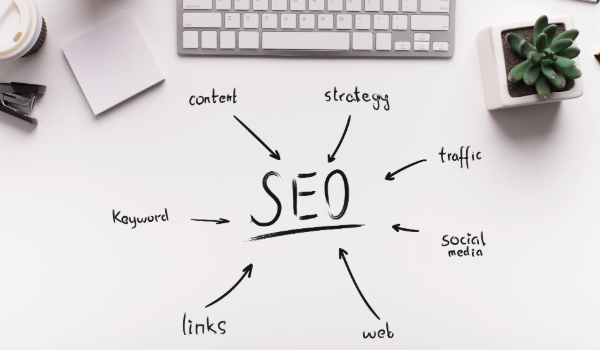
Summary
Competitive analysis is a fundamental component of an effective SEO strategy. By identifying your competitors, collecting key data, analyzing their online presence, and performing a SWOT analysis, you gain critical insights that can significantly enhance your SEO efforts. These steps help you understand the competitive landscape and develop a roadmap for outshining your rivals.
The actionable insights derived from competitive analysis allow you to target high-performing keywords, expand your product or service offerings, and improve customer experiences. By benchmarking your performance against competitors and continuously refining your strategies, you can maintain a competitive edge in the ever-evolving digital market.
In conclusion, while competitor analysis is not an end-all solution, it is an invaluable tool for informing and enhancing your SEO strategy. By continuously applying the insights gained, you can achieve sustainable success and dominate your market space.
Frequently Asked Questions
What is competitive analysis in the context of SEO??
Competitive analysis in SEO is essential for recognizing your competitors’ strengths and weaknesses, allowing you to refine your strategies and improve your website’s performance. This understanding can lead to more effective optimization and better positioning in search results.
Why is competitive analysis crucial for SEO?
Competitive analysis is crucial for SEO as it uncovers competitor keywords, content strategies, and backlink profiles, allowing you to measure your own performance and make informed adjustments. By staying aware of evolving search trends, you can refine your strategy for better results.
How do I identify my competitors for SEO analysis??
To identify your competitors for SEO analysis, utilize search engine results pages (SERPs) for your target keywords and leverage tools like Ahrefs. Focus on both direct and indirect competitors, especially considering your geographic area.
What kind of data should I collect about my competitors?
To effectively analyze your competitors, focus on collecting data regarding their content types, keywords driving traffic, backlink profiles, social media activities, customer reviews, and overall online presence. This information will enable you to identify their strengths and weaknesses.
How can I use competitor analysis to improve my SEO strategy?
Competitor analysis can significantly enhance your SEO strategy by allowing you to identify effective keywords, refine your offerings, and improve customer experiences. By continuously benchmarking against your competitors, you can fine-tune your SEO efforts for better performance.