
What Does SEO Stand For?
SEO or Search Engine Optimization is a digital marketing practice aimed at improving a website’s visibility in organic search results. It’s about making your website search engine-friendly so that when users type in a search query, your site appears prominently on search engine results pages (SERPs). Optimizing various elements of your website helps search engines like Google understand and index your content effectively, increasing your chances of attracting more organic traffic through search engine marketing.
The importance of SEO cannot be overstated. In an era where online presence is synonymous with business success, SEO is crucial for driving relevant traffic to your website and enhancing your overall online visibility. Focusing on SEO not only improves your site’s search engine rankings but also enhances user experience, leading to higher engagement and conversions.
The Basics of SEO
The primary aim of SEO is to improve a website’s position in search results, making it more visible to users searching for relevant keywords. This process significantly enhances the quality and quantity of traffic to your site by ranking your pages at the top of search results. Unlike paid advertising, SEO focuses on natural or organic search traffic, which is a more sustainable and cost-effective way to attract visitors.
Understanding how search engines work is fundamental to successful SEO. Search engines like Google use complex algorithms to crawl, index, and rank web pages based on various factors. These factors include keyword relevance, site usability, and backlinks. Aligning your content with these factors improves search engine rankings and ensures a stable flow of organic traffic.
Keyword research is a critical component of SEO. It involves identifying the search terms that potential visitors use and incorporating them into your website content. Tools like Google Search Console and other keyword research tools can help you find relevant keywords that generate significant traffic but are not overly competitive. This strategic placement of keywords helps search engines discover and rank your content effectively.
SEO is not just about attracting visitors; it’s about attracting the right visitors. Optimizing your website for search engines ensures that your content reaches users actively searching for your products or services. This targeted approach leads to higher engagement and conversion rates, making SEO an indispensable part of any digital marketing strategy.
Why SEO Matters
Businesses looking to improve their online presence and attract more customers must understand SEO. A well-executed SEO strategy can significantly boost a company’s sales and visibility by placing it at the top of search engine results pages. High search engine rankings not only increase traffic but also enhance a brand’s credibility and authority among consumers.
Effective SEO practices can lead to more qualified leads since they target users actively searching for specific products or services. This means that the traffic generated through SEO is more likely to convert into sales or other desired actions.

Local SEO is particularly important for businesses targeting geographically specific audiences. Optimizing for local searches attracts customers in your vicinity, which is especially beneficial for small and medium-sized enterprises.
Additionally, SEO enhances user experience by improving website speed, mobile-friendliness, and overall usability. This not only leads to higher traffic and engagement but also fosters customer trust and loyalty. Understanding search intent and aligning your content with what users are looking for is key to achieving SEO success.
Key Components of SEO
SEO consists of three key components: on-page SEO, off-page SEO, and technical SEO. Each of these components plays a crucial role in enhancing a website’s visibility and ranking on search engines.
On-page SEO involves optimizing individual web pages to improve their relevance and visibility. Off-page SEO focuses on external factors like backlinks and social media engagement to enhance site authority. Technical SEO includes backend optimizations that support search engine crawling and indexing.
On-Page SEO
On-page SEO involves optimizing individual web pages to improve their search engine rankings and attract organic traffic. One of the most critical aspects of on-page SEO is keyword placement. Strategically placing keywords in the title tag, meta description, and throughout the content indicates to search engines what the page is intended to rank for. Including target keywords in appropriate places on a webpage helps Google understand the page’s content and relevance.
Content length also plays a significant role in SEO. Aiming for a proper content length can enhance SEO performance by providing comprehensive information that satisfies user queries. On the flip side, too much content can bore readers and hinder an SEO strategy. However, it’s essential to avoid duplicate content as it can dilute a webpage’s ranking.
The meta description and title tags are other crucial elements of on-page SEO. They summarizes the content of a webpage, assisting Google in understanding and properly indexing it. Placing keywords within the title tag and ensuring the meta description is relevant and descriptive can significantly impact SEO performance. Additionally, optimizing images with descriptive keywords in file names and relevant alt text improves search engine understanding and page ranking.
Lastly, ensuring that images are of optimum size and correct file format can enhance page speed and user experience. These on-page SEO practices collectively contribute to a higher ranking on search engine results pages, driving more organic traffic to your website.
Off-Page SEO
Off-page SEO refers to activities outside the website that influence rankings, primarily focused on building high-quality backlinks. Backlinks are crucial as they indicate trust and credibility to search engines, thereby enhancing your ranking potential. Link building is a strategy to attract links from authoritative sites, which can include guest posts, brand mentions, and other forms of external engagement.
Social media engagement also plays a significant role in off-page SEO. Social signals, such as likes, shares, and comments, contribute to the overall authority of a website. Engaging with your audience on social media platforms can drive traffic to your site and indirectly influence search engine rankings.
Building a robust off-page SEO strategy requires consistent effort and engagement. Focusing on acquiring high-quality backlinks and maintaining active social media profiles enhances your website’s authority and improves search engine rankings.
Technical SEO
Technical SEO encompasses backend optimizations that enhance site speed, ensure mobile-friendliness, and improve the efficiency of search engine crawling and indexing. A slow-loading website can significantly reduce traffic, as users are likely to leave before the content fully loads. Therefore, optimizing site speed is crucial for retaining visitors and improving search engine rankings.
Mobile-friendliness is another critical aspect of technical SEO. With more than half of Google searches coming from mobile devices, failing to ensure a website is mobile-friendly can result in significant traffic loss. Additionally, broken links can lead to poor user experience and waste crawl budget, as search engines are unlikely to index those pages.
Tools like Screaming Frog can assist in technical SEO by crawling websites to discover issues that may hinder performance. Ensuring that all pages are indexed by search engines and that there are no faulty redirects is essential for maintaining a high SEO performance. These technical SEO practices collectively contribute to a better user experience and higher search engine rankings.
How Search Engines Work
Search engines function like digital libraries, indexing websites and returning the most relevant results to user queries. Google’s crawlers compile information from the web for indexing, starting from known URLs and following links to discover new content. This process involves navigating the internet, downloading web pages, and evaluating them for relevance and quality.
The indexing stage of a search engine involves analyzing content, images, and video files to determine canonical or duplicate pages. The search engine index is a structured database that includes discovered URLs and key signals about each page’s content. Pages may not be indexed due to restrictions set by a robots.txt file or if the page is considered low quality by the search engine.
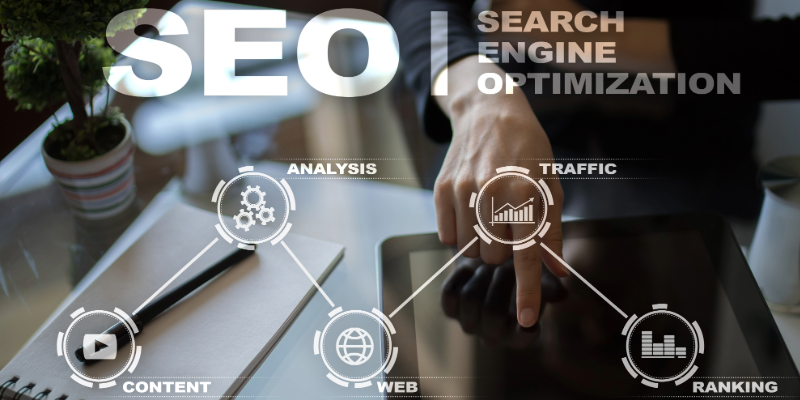
To produce search results, search engines use algorithms that check the titles of indexed pages for keywords and content. These algorithms, such as Google’s Hummingbird, Panda, and RankBrain, rank web content based on keyword relevance, site usability, page speed, and backlinks. The role of search engine algorithms is to find web pages and decide their rankings on search engine result pages based on these factors.
Understanding how search engines work is crucial for creating search engine-friendly content. Aligning your SEO strategy with search engine algorithms improves your website’s visibility and ranking on search engine results pages.
SEO Strategies for Success
A successful SEO strategy requires a deep understanding of audience intent and search behavior. Optimizing for search intent involves aligning your content with what users are actually searching for. The first step in any SEO project is identifying relevant keywords that generate significant traffic but are not overly competitive. Tools like Google Analytics and keyword research tools such as Ahrefs scan help in this process.
Regularly updating and improving existing content can lead to significant increases in organic traffic. Content creation and optimization can be assisted by AI tools, which analyze user engagement data to refine content strategies. Effective content design can significantly impact engagement and sharing of your SEO content.
Competitor analysis is vital for a successful SEO strategy. Observing what backlinks your competitors have can reveal opportunities for your own linking. Building backlinks is crucial; content that includes compelling statistics tends to attract more links. Using broken link building can also help gain backlinks by replacing dead links on other sites with your content.

Optimizing for voice search is becoming increasingly important as it requires a shift towards more conversational and question-based keywords. Shorter, keyword-rich URLs generally perform better in search rankings than longer ones. Incorporating these strategies into your SEO efforts creates an optimal SEO strategy that drives traffic to your website.
Measuring SEO Performance
Measuring and monitoring SEO performance is crucial to understanding the effectiveness of your SEO efforts. Organic traffic represents the volume of visits to a site from unpaid search results, reflecting how well the content aligns with user searches. Tools like Google Analytics can help track organic traffic and other key metrics.
Organic conversions indicate the effectiveness of SEO by showing completed actions, such as purchases or lead form submissions. Keyword rankings reveal a website’s position for specific search terms, impacting visibility and potential traffic. Monitoring these metrics can provide insights into how well your SEO strategy is working.
Website authority reflects the trustworthiness of a site based on factors like backlink quality and organic traffic. Click-Through Rate (CTR) measures the percentage of users who click on a site link in search results, indicating the appeal of titles and descriptions.
Tools like Semrush and Ahrefs offer comprehensive SEO analysis, competitor research, and keyword tracking features. Continuous monitoring and adjustment of your SEO strategy based on these metrics are essential for long-term success.
Common SEO Mistakes to Avoid
Avoiding common SEO mistakes is crucial for maintaining high search engine rankings. Over 50% of Google searches are from mobile devices, making mobile optimization essential. Google imposes penalties on websites that lack optimization for mobile users. This means those sites may rank lower in search results. Ensuring a mobile-friendly design can significantly improve your SEO performance.
Page experience is a ranking factor that affects SEO performance. Core web vitals, a subset of factors that Google uses to assess a web page’s overall experience, are crucial for maintaining high SEO rankings. Neglecting these aspects can lead to lower rankings and reduced traffic.
Other common mistakes include ignoring page speed, failing to update content regularly, and not keeping up with algorithm updates. Ensuring that your website is fast, relevant, and up-to-date is essential for successful SEO. Avoiding these pitfalls can help you maintain a high search engine ranking and attract more organic traffic.
Future Trends in SEO
As the digital landscape evolves, so does SEO. Emerging technologies like voice search, artificial intelligence (AI), and machine learning are profoundly influencing the evolution of SEO. These technologies enhance how search engines comprehend user intent and the contextual relevance of search queries, making SEO strategies more sophisticated and user-centric.
Algorithm updates highlight the importance of producing high-quality and relevant content. Additionally, they stress the need to earn natural links. AI and user intent analysis herald a future where SEO strategies must prioritize quality and relevance over traditional keyword tactics. This shift means that understanding and predicting user behavior will become even more critical for successful SEO.

Summary
In conclusion, SEO stands for Search Engine Optimization, a critical component of digital marketing that focuses on improving website visibility in organic search results. Understanding the basics of SEO, its importance, and its key components—on-page SEO, off-page SEO, and technical SEO—can significantly enhance your online presence and drive organic traffic to your website.
By implementing effective SEO strategies, measuring performance, and staying updated with future trends, you can ensure that your website remains competitive and visible in search engine results pages. Embrace the power of SEO to boost your online presence, attract more qualified leads, and achieve long-term success in the digital world.
Frequently Asked Questions
What does SEO stand for?
SEO stands for Search Engine Optimization, which focuses on enhancing a website’s visibility in organic search results. This practice is essential for increasing online traffic and engagement.
Why is SEO important for my business?
SEO is crucial for your business as it boosts your online visibility, drives targeted traffic, and establishes your website’s credibility. This ultimately leads to increased customer trust and higher conversion rates.
What are the key components of SEO?
The key components of SEO include on-page SEO, off-page SEO, and technical SEO, all of which are essential for effectively optimizing a website for search engines. Ensuring a balance among these components will significantly improve your site’s visibility.
How do search engines work?
Search engines function by employing crawlers to index websites, subsequently providing the most relevant results to users. They rank content through various factors, including keyword relevance, site usability, and the quality of backlinks.
What are some common SEO mistakes to avoid?
Avoid neglecting mobile optimization, ignoring page speed, and failing to keep up with algorithm updates, as these common SEO mistakes can significantly harm your search engine rankings.
