
Understanding SEO Management
At its core, SEO management refers to the systematic process of optimizing a website to improve its visibility in search engine results. In today’s digital age, where over 50% of website traffic comes from organic search, mastering successful SEO management is crucial for driving growth and staying competitive. Search engines like Google use complex algorithms to rank websites, and effective SEO management ensures your site meets these criteria, enhancing your online visibility.
One of the significant benefits of SEO management is its impact on organic search rankings. Optimizing your website for search engines increases customer reach and supports broader digital marketing efforts. This holistic approach not only enhances user experience by improving website structure and navigation but also positions your business as an authority in search engine optimization your industry.
With effective SEO management, businesses can attract more organic traffic, build brand awareness, and ultimately drive conversions. This cost-efficient marketing strategy, when executed correctly, yields a significant return on investment over time. Now that we understand the importance of SEO management, let’s explore its key components.
Key Components of Effective SEO Management
-
On-Page SEO, which focuses on optimizing individual web pages
-
Off-Page SEO, which involves activities outside your website
-
Technical SEO, which ensures search engines can crawl and index your site effectively

Each plays a vital role in improving your website’s visibility and search rankings.
Together, these components form a robust SEO strategy that drives organic traffic and boosts your online presence.

On-Page SEO Techniques
On-Page SEO is all about optimizing the elements on your web pages to improve search engine rankings. This involves a variety of techniques, starting with content optimization. Incorporating target keywords in titles, headings, and content enhances your page’s relevance for search engines. However, it’s essential to avoid keyword stuffing and focus on creating valuable, informative content that meets user intent.
Meta descriptions are another critical aspect of On-Page SEO. These brief summaries appear under your page title in search engine results and can significantly impact click-through rates. Effective meta descriptions should contain target keywords and provide a compelling reason for users to click on your link.
Additionally, internal linking connects different pages within your website, improving crawlability and helping search engines understand your site’s structure. Title tags also play a crucial role in On-Page SEO. Analyzing the title tags of top-ranking pages can reveal patterns for effective keyword placement, helping you optimize your own titles for better rankings.
Tools like Semrush’s or Ahref’s Site Audit can assist in auditing internal pages and ensuring your On-Page SEO efforts are on the right track. Mastering these techniques attracts high-quality traffic and improves your website’s visibility.

Off-Page SEO Strategies
Off-Page SEO encompasses actions taken outside of your website that affect your search rankings and authority. One of the most critical aspects of Off-Page SEO is building high-quality backlinks. Backlinks serve as indicators of trust for search engines, and websites with a robust backlink profile tend to rank higher in search results. Effective link-building strategies include guest blogging, creating engaging content, and collaborating with influencers to gain more exposure.
Maintaining a healthy backlink profile involves regularly monitoring and removing low-quality backlinks while promoting quality links. Tools like Google Search Console can help you track your backlinks and identify any issues that need addressing.
Focusing on Off-Page SEO strategies enhances your website’s authority and drives more organic traffic.

Technical SEO Best Practices
Technical SEO ensures that search engines can effectively crawl and index your website, which is vital for visibility. Key elements of Technical SEO include URL structure, structured data, duplicate content, and sitemaps. Fast-loading websites are prioritized by Google, highlighting the need to enhance page speed for better rankings.
Crawlability and indexability are essential for search engines to find and display your content in search results. Ensuring your website is free from technical issues like broken links and improper redirects can improve your overall SEO performance. Tools like Google Search Console provide insights into indexing issues and help you address them promptly.
A well-optimized URL structure and the use of structured data can further enhance your website’s visibility. Following Technical SEO best practices creates a solid foundation for your SEO strategy, ensuring search engines can easily access and rank your content.
Interested In Learning How We Can Help You?
Enter the Information Below for a Free Proposal
Steps to Implementing an SEO Strategy
Implementing an effective SEO strategy involves several critical steps, starting with comprehensive keyword research, followed by creating high-quality content, and optimizing your website structure. These steps are essential for enhancing your website’s visibility and attracting organic traffic.
Let’s dive deeper into each step to understand how you can implement a successful SEO strategy.
Conducting Comprehensive Keyword Research
Keyword research is the cornerstone of any effective SEO management strategy. It involves identifying the search terms your target audience uses and aligning your content to match their intent. Tools like Google Keyword Planner, Semrush, and Ahrefs are invaluable for conducting keyword research. These tools help you discover relevant keywords, analyze competitor keyword usage, and identify opportunities to improve rankings.
One effective approach is to focus on long-tail keywords, which consist of 3-4 consecutive phrases. These keywords often have less competition and clear search intent, making them easier to rank for. Additionally, using tools like the Keyword Gap tool can simplify the identification of main organic competitors in your niche, allowing you to analyze their keyword strategies and find gaps you can exploit.
Creating a keyword list is the initial step in any SEO strategy. This list should include target search terms that align with user intent and are relevant to your business.
Important concepts to consider in keyword research include:
-
- Keyword cannibalization
- Density
- Understanding search term types
- Competitor targeting
Conducting comprehensive keyword research lays a solid foundation for your SEO efforts.
Creating High-Quality, Relevant Content
Content quality is a critical element in achieving high organic search rankings. Search engines prioritize high-quality information that meets user expectations, making content marketing a vital part of SEO management. To increase your search ranking, focus on delivering high-quality, relevant content that addresses the needs of your target audience. It is also crucial to produce content regularly.
Optimized content can significantly boost your monthly organic sessions and overall visibility. Regularly reviewing and updating your content ensures accuracy, relevance, and helpfulness, which increases its ranking potential.
The concept of E.E.A.T (Experience, Expertise, Authoritativeness, Trustworthiness) is evolving, with an added focus on the experience of content creators. By considering user needs and search engine interpretation when creating content, you can attract high-quality traffic and improve your website’s visibility.
Optimizing Your Website Structure
A well-structured website is crucial for enhancing user experience and improving search engine rankings. Prioritizing mobile-friendliness is essential, as more users access websites via mobile devices. Tools like Google’s Mobile-Friendly Test can help assess your website’s mobile performance and identify areas for improvement. Elements like URL structure, internal linking, and structured data are critical for effective SEO management.=
By optimizing your website structure, you can create a seamless user experience, enhance crawlability, and improve your search rankings. A well-organized website not only attracts more organic traffic but also ensures users find the information they need quickly and efficiently.

Monitoring and Measuring SEO Performance
Monitoring and measuring SEO performance is crucial for identifying areas for improvement and ensuring your website remains competitive. Not to mention it can justify and highlight the return on investment. Regular SEO monitoring helps track relevant metrics like organic traffic, bounce rates, and conversions.
Using tools like Google Analytics, Google Search Console, and Ahrefs, you can gain insights into your website’s performance and refine your SEO strategy accordingly.
Using Google Analytics and Google Search Console
Google Analytics and Google Search Console are essential tools for monitoring website performance and user behavior. Google Search Console provides insights into indexing issues and page performance in search results, helping you address any technical SEO issues promptly. Meanwhile, Google Analytics tracks user engagement metrics, such as average session duration and page views, allowing you to refine your strategies effectively.
By leveraging these tools, you can monitor organic traffic, analyze user behavior, and identify opportunities for improvement. Regularly using these analytical tools ensures your SEO efforts are aligned with your goals and helps you achieve better search rankings.
Regular SEO Reporting
Consistent SEO reporting is essential for evaluating the success of your SEO initiatives and identifying trends over time. Evaluating SEO reports can reveal insights on traffic sources, user engagement patterns, and areas for improvement. Regular content reviews are also crucial for maintaining accuracy and relevance, which can boost your search rankings.
SEO experts utilize various tools to conduct audits and competitive analysis, helping you stay ahead of the competition. Regular reporting on key performance metrics allows for informed decisions and continuous improvement of your SEO strategy.
The Role of an SEO Manager

An SEO manager plays a critical role in devising strategies to increase website visibility and improve search rankings. Their tasks include developing online strategies, implementing SEO management, and overseeing other SEO staff.
Strong analytical and communication skills are essential for SEO managers to work effectively with cross-functional teams. They should have a background in marketing or a related field, hands-on SEO experience, and the ability to analyze data and make informed decisions.
SEO management is essential for businesses as it helps build awareness, drive sales, and attract inquiries. It’s a cost-efficient marketing approach that can yield a significant return on investment over time. A strong online presence through SEO management services can significantly improve a business’s authority and credibility.
Choosing Between In-House SEO Teams and Agencies
Choosing between an in-house SEO team and an SEO agency is a critical decision for any business. An in-house SEO specialist has a deep understanding of the brand, which can enhance consistency in campaigns. Additionally, in-house teams can collaborate more effectively with other departments, leading to improved strategies and a cohesive approach to SEO management.
However, hiring in-house SEO staff can be more costly than outsourcing to independent experts or agencies, especially for experienced professionals. In-house teams may also lack the breadth of expertise that specialized SEO experts can provide.
SEO agencies, on the other hand, offer access to experts with diverse skills and tools, providing a more comprehensive approach to SEO management. While using an SEO agency can provide many benefits, such as access to a wide range of expertise and tools, it also comes with potential drawbacks like higher costs and coordination challenges.
Ultimately, the choice between an in-house team and an agency depends on your business needs, budget, and the level of expertise required to achieve your SEO goals.
Staying Updated with SEO Trends
Staying updated with SEO trends is crucial for effective SEO management. Search engine algorithms are constantly evolving, and keeping up with these changes ensures your strategies remain effective.
Platforms such as Google’s blog, Moz, and others offer valuable insights into the latest trends and best practices in SEO including local SEO.
Automation is also becoming more common in SEO, allowing marketers to focus on strategic planning instead of manual processes. Staying informed and leveraging automation allows you to adapt quickly to changes and maintain a competitive edge in the ever-evolving world of SEO.
Summary
In summary, mastering SEO management involves a comprehensive understanding of its key components: On-Page SEO, Off-Page SEO, and Technical SEO. By conducting thorough keyword research, creating high-quality content, and optimizing your website structure, you can enhance your website’s visibility and attract more organic traffic. Monitoring and measuring your SEO performance using tools like Google Analytics and Google Search Console is essential for identifying areas for improvement and refining your strategies.
The role of an SEO manager is critical in devising and implementing effective SEO strategies. Whether you choose to have an in-house SEO team or partner with an SEO agency, it’s important to consider the pros and cons of each approach. Staying updated with the latest SEO trends and leveraging automation can help you stay ahead in the competitive digital landscape.
By following the best practices outlined in this guide, you can achieve significant SEO success, improve your search rankings, and grow your organic traffic. Remember, SEO management is an ongoing process that requires continuous effort and adaptation. Stay committed, keep learning, and watch your online presence soar.
Have a Question? Contact Us Today!
Frequently Asked Questions
What is SEO management?
SEO management is about optimizing your website to boost its visibility on search engines, attract more organic traffic, and improve the overall user experience. It’s essential for getting noticed online!
Why is keyword research important for SEO?
Keyword research is essential for SEO because it uncovers relevant terms that match what users are searching for, which boosts your website’s organic traffic and higher search rankings. It’s all about making sure you’re speaking the same language as your audience!
How do backlinks affect search rankings?
Backlinks boost your site’s credibility and help improve its search rankings since they signal to search engines that your content is trustworthy. Definitely focus on building quality backlinks!
What tools can I use to monitor SEO performance?
Using tools like Google Analytics, Google Search Console, and Semrush is crucial for tracking your SEO performance and understanding user behavior. These tools will help you pinpoint areas for improvement to enhance your site’s visibility.
Should I choose an in-house SEO team or an agency?
It really depends on your business needs. If you value brand consistency, an in-house team might be your best bet, but if you’re looking for diverse expertise and resources, an agency could be the way to go.
What is Local SEO?
Local search engine optimization (“SEO”) is an intricate subset of SEO geared towards enhancing a business’s web presence to target localized searches and increase traffic. This process includes assorted methods and techniques aimed at bolstering local search visibility, with the ultimate goal of positioning your business prominently within local search results. Local SEO is a crucial step to gaining an advantage over competitors and something all business should consider.
For businesses with a brick-and-mortar location, harnessing the power of local SEO is crucial and can lead to sustained traffic and visibility for your business. By boosting online exposure through these means, it becomes significantly easier for prospective patrons to find your business. By fine-tuning optimization efforts toward particular cities and locations, not only does this make your establishment discoverable on the internet, but also drives physical visits—a testament to how pivotal localization can be for garnering both virtual interest and real-world foot traffic.
Tapping into specialized tools designed for optimizing localized searches empowers enterprises to zero in on specific regional keywords that are actively being sought out by individuals nearby. When someone embarks on finding a service within their vicinity—be it searching for the closest cafe or needing professional services like dentistry or auto repair—local SEO makes certain that those businesses appear ahead in SERPs (search engine results pages), capturing increased localized web influx as a result.

Why Does Local SEO Matter?
Local SEO is vital, particularly for smaller enterprises and those offering local services who face competition from competing businesses. By adopting modern strategies in local search optimization, businesses can elevate their rankings and connect with potential customers who are looking for nearby options online. For entities like restaurants, repair shops, and providers of localized services such as electricians or lawyers, maintaining a strong presence through local SEO is essential to remain significant and competitive in the regional market.
Consider the loss if someone searching for your service discovers your rival across the street rather than finding you. Such visibility disparities could substantially disrupt how effectively you attract new customers – directly influencing revenue streams. Neglecting efforts dedicated to boosting local SEO might stunt business growth while competitors advance by leveraging these tactics.
Optimizing for local searches has an undeniable importance in driving foot traffic and web visitors—crucial elements for businesses anchored within a community’s fabric. Through careful enhancement tailored toward appearing amid relevant regional search findings, your establishment garners increased attention from both passerby patrons and diligent digital shoppers alike. Fundamentally important to thriving locally sourced commerce is ensuring that your venture stands out online. This makes it easier not only being discovered but also selected by locals over alternative options available amidst vast regional landscapes.
Interested In Learning How We Can Help You?
Enter the Information Below for a Free Proposal
How Local SEO Works
Grasping the intricacies of local markets is key to crafting successful strategies. Of course, it is also paramount to either have local SEO experience or hire someone who does to maximize the potential for success. Google employs a distinct set of ranking factors tailored for local business results, diverging from those used in broader search queries. These factors create a unique input that enables search engines to serve up relevant results tied to specific locations or markets. Notably, Google’s algorithm accounts for user proximity when generating these listings—even if one doesn’t specify location-related terms like city names or “near me” prompts.
The structure of local search pages often comprises both the map pack and traditional organic links. The map pack spotlights leading businesses within an area on a Google Search Engine Results Page (SERP), featuring a map plus prominent local business listings which are crucial for increasing awareness and traffic.
To increase rankings for localized searches, certain things must be considered: relevance aligns your offerings with what potential customers seek, proximity gauges how near your enterprise is positioned relative to users, prominence evaluates online brand recognition through aspects including web references, directory placements, and customer feedback loops.
By focusing on each factor you can effectively boost your rank among localized SERPs ensuring increased visibility where it counts most among prospective clients.
Pillars to a Successful Local SEO Strategy
Developing an effective local SEO strategy necessitates employing various key elements, each critical to enhancing your presence and outranking your competitors. The complexity of regional market dynamics means that a standardized approach is inadequate for local SEO. Instead, businesses must tailor their strategies to their specific context for sustained success.
Central components of a successful local SEO strategy encompass optimizing your website, setting up and ensuring your Google Business Profile is adequately setup, executing in-depth research on local keywords, analyzing and scrutinizing the tactics employed by nearby competitors, refreshing and updating old content as well as crafting new content centered around the keywords that were determined to have the most meaningful impact.
While there is certainly no cut and dry method to guaranteeing results, most experience local SEO consultants would agree that at least some of the following strategies make sense to implement. We find value in each of these steps and utilize them to harness sustainable real results for customers desiring a better presence in their local markets.
- Optimize Your Website
- Claim and Optimize Your Google Business Listing
- Conduct Local Keyword Research
- Analyze Local Competitors
- Update and/or Repurpose Existing Content to be Localized
- Create New Content Targeted at Local Keywords
- Optimize the Site for Voice Search
- Manage Reviews and Implement a Review Strategy
- Build Awareness and Exposure in the Community

Optimize Your Website
Optimizing your website is the cornerstone of any effective local SEO strategy. This important step is frequently missed by many local businesses, which can negatively impact their efforts to boost visibility on search engines. Website optimization encompasses a range of elements such as maintaining a modern and user-friendly design, implementing an intuitive site structure, and providing content that caters directly to your target audience’s interests. As each website has its distinct requirements, conducting a thorough audit of the site is essential to pinpoint precise improvements needed.
Enhancing your website not only improves the experience for visitors, but also aids search engines in deciphering and appropriately ranking your pages. Embarking on your local SEO journey with proper website optimization lays down a robust base for all subsequent endeavors aimed at ascending through the ranks of search engine results pages (SERPs), thereby bolstering organic traffic derived from these searches.
Claim and Optimize your Google Business Listing
Setting up and/or optimizing your Google Business Profile is another very important aspect to any local SEO strategy that will provide sustained growth. It can often be the first thing customers see when looking for a business and also a section that is highly interacted with for local searches. As you claim your listing, it’s imperative that all key details—particularly your business name, address, and phone number—are accurate.
To increase your presence and frequency in local search results enriching your business profile with images and comprehensive descriptions can significantly enhance its visibility for potential customers. Such enhancements not only aid users in discovering what you offer, but also gives them with useful information which could sway their decision-making towards favoring your establishment over others.
Conduct Local Keyword Research
Conducting local keyword research is essential to an effective local SEO strategy, as it entails uncovering the search terms potential customers use when looking for nearby products or services. By targeting appropriate keywords, companies can tailor their online content to perform better in local search results, thus drawing a greater number of visitors from the surrounding area.
By utilizing relevant local keywords into your local SEO strategies, you stand to substantially boost your awareness and traffic both in terms of foot traffic and website traffic. It’s crucial that businesses concentrate on selecting industry-specific and regionalized keywords so they capture the intended searches that will benefit them most.
Specialty tools can be used to not only identify the relevant keywords, but isolate what keywords matter from a traffic and competition standpoint.
Analyze Local Competitors
Conducting a thorough examination of local competitors is essential for crafting a successful local SEO strategy. Engaging in basic searches will reveal who your competitors are, but to truly build a sustainable process, you must dig deeper. Looking into the website traffic of these competitors, analyzing which keywords they rank for and evaluating their backlink profiles can offer crucial clues about what attracts visitors to their sites—and how you might redirect some of that attention towards your own business.
Utilizing sophisticated SEO tools gives you an edge by providing intricate details regarding the tactics employed by your rivals. This intelligence enables you to construct a local SEO strategy superior to theirs. By comprehending where your competition excels or falls short, it becomes possible for you to pinpoint potential advantages and weaknesses within your approach.
Update and/or Repurpose Existing Content to be Localized
With any SEO strategy including one targeted on a local level, content reigns supreme. But not just any content is sufficient and you can be continually creating low-quality content that will not benefit you and can actually hurt you. If you have low-quality content that exists on your website, it is a good idea to update and/or repurpose that content to align with your local strategy.
To capitalize on these opportunities, it is important to understand how your website is currently ranking and what pages are not ranking. Once an analysis has been done on current content to identify low ranking content you can employ strategies to revise that content targeting relevant keywords.
Create New Content Targeted at Local Keywords
Producing content tailored to local keywords is crucial for enhancing your online presence and connection with community-based users. Establishing individual service pages dedicated to each offering can lead to more precise optimization opportunities.
Developing landing pages focused on specific cities assists businesses in achieving higher search rankings in regions without a physical location. Incorporating the name of the city and state within page titles can amplify your prominence in local search results.
Crafting articles about regional or sector-specific news, informative material, along with featuring maps pinpointing neighborhood landmarks draws in residents and boosts your establishment’s profile within certain geographical areas.
Optimize the Site for Voice Search
Voice search, especially on a local level, has experienced a considerable increase. It is particularly popular among younger demographics who utilize it for effortless access to data. The key to optimizing for voice search lies in incorporating natural language patterns and utilizing long-tail keywords that align with conversational speech.
By prioritizing optimization strategies tailored for voice searches, local businesses can target traffic from users employing virtual assistants such as Siri or Google Assistant. This focus guarantees that their content emerges within the realm of voice-activated search results, thereby drawing an increased number of local customers who are adopting this advanced technology.

Manage Reviews and Implement a Review Strategy
Soliciting positive reviews and maintaining a positive portrayal of your business through existing reviews is critical for the credibility of your local business, and can help from a local SEO perspective.
Neglecting to manage incoming reviews could negatively affect your business’s reputation and negatively impact your business in the long-term. Adopting an active approach to review management can bolster the online standing of your business and heighten its visibility in local searches.
Build Awareness and Exposure in the Community
Fostering a strong presence within the community is essential for local businesses. At the end of the day, word of mouth will always be an important tactic to increase traffic and awareness. By sponsoring events and establishing connections locally, you can greatly improve your company’s reputation with the local economy.
Monitoring and Adjusting Your Local SEO Strategy
It is crucial to consistently track and measure the effectiveness of your local SEO efforts in order to discern which tactics are fruitful and which aspects need refinement. By frequently checking on your performance, you can spot both winning strategies as well as those segments that may need tweaking. This process should involve observing fluctuations in rankings for local keywords and making sure there’s no decline in website traffic.
Conducting systematic audits of your local search practices offers valuable perspectives on how your site ranks within the digital landscape while uncovering any issues requiring attention. Persistent vigilance and iterative improvements to your approach are instrumental in upholding and enhancing visibility within local search results.
Local SEO efforts cannot be implemented and then forgotten about. It is crucial to always be analyzing and adjusting your strategy to stay at the top of the rankings.
Doing Local SEO Yourself vs Hiring Someone with Local SEO Experience
Engaging in local search optimization can appear manageable on your own, but collaborating with a professional significantly enhances the likelihood of achieving favorable outcomes. Crafting an effective local SEO strategy requires consistent effort and attention to various aspects for sustained success. Often, business owners and managers are preoccupied with numerous responsibilities, complicating their ability to execute and oversee a complete SEO approach independently.
It is most advantageous when there’s a synergy between you and a SEO expert in local search strategies tailored specifically to your business objectives. Such partnerships tend to yield the best results and can help you increase your businesses visibility in the most cost-effective and efficient way.
Summary
Optimizing for local search is essential for any local business aiming to outpace their competition. This involves enhancing your website, effectively claiming and optimizing your Google Business Profile, undertaking extensive research on local keywords, scrutinizing competitor strategies, and creating content with a localized focus. Doing so can substantially boost your visibility in local search results. You can amplify the impact of these efforts by optimizing for voice queries, actively managing customer reviews, and interacting with community members.
Ultimately, engaging in Local SEO transcends traditional marketing tactics—it serves as a bridge to connect you to nearby customers while fostering trustworthiness and steering more foot traffic towards your business. Adopting the recommendations provided here will position you advantageously within the local market.
Frequently Asked Questions
What is local SEO?
Local SEO is a digital marketing strategy focused on optimizing your online presence to increase visibility in local search results, ultimately driving more traffic from relevant local searches.
By implementing effective local SEO tactics, your business can effectively connect with customers in your area.
Why is local SEO important for my business?
Local SEO is essential as it enhances your online visibility, attracts local customers, and ensures your business remains competitive in the local market. Investing in local SEO can significantly boost foot traffic and sales.
How do I start with local SEO?
Begin your local SEO efforts by claiming and fully optimizing your Google Business Profile, as well as ensuring that your website is finely tuned for local search.
Engage in thorough research of local keywords to produce content tailored to a localized audience. Make sure you consistently monitor and tweak your strategy to achieve the best possible outcomes.
Can I do local SEO myself, or should I hire an expert?
You can manage local SEO yourself, but hiring an expert often leads to quicker and more efficient results due to their specialized knowledge and resources.
How do reviews affect local SEO?
Reviews significantly enhance your credibility and improve your local search visibility, making them essential for attracting more local customers and boosting your online reputation.
What Are SEO Services?
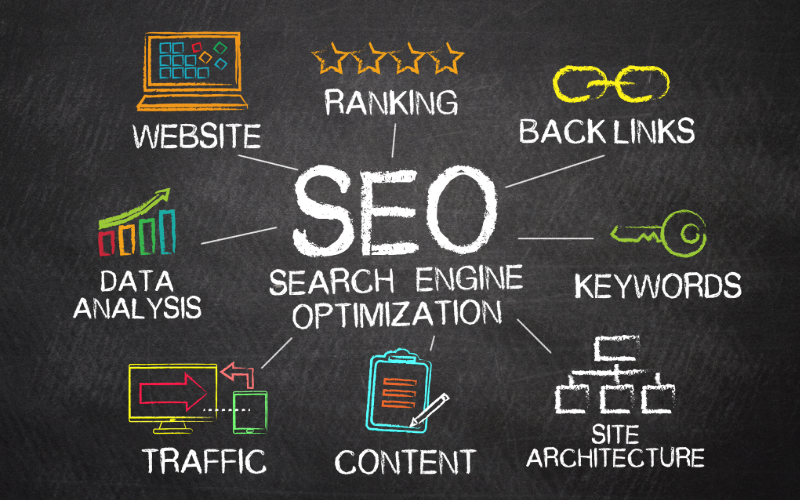
SEO services are professional strategies and techniques used to optimize a website’s visibility on search engine results pages (SERPs). These services aim to increase organic traffic by improving search engine rankings for targeted keywords. In essence, SEO marketing services make your website more attractive to search engines, helping it rank higher for relevant searches.
These services typically include on-page optimization, off-page strategies, technical SEO, and more to address different aspects of online visibility. Think of it as a comprehensive approach – just like maintaining a car involves tuning the engine, checking the brakes, and ensuring the tires are in good condition. Similarly, SEO services cover various facets to ensure your website performs optimally.
SEO services are customized based on a business’s industry, goals, and audience to achieve measurable results. Whether you’re targeting local customers or a global audience, your SEO strategy will be tailored to meet your specific needs. These services can be delivered by an SEO service provider, freelancers, or in-house teams, including an SEO team, specializing in search engine optimization and conducting an SEO audit.
In the world of SEO, no two businesses are the same. That’s why a custom SEO strategy is crucial for success. It’s about understanding your unique challenges and opportunities and crafting a plan that aligns with your business goals. Now that we’ve covered what SEO services are, let’s explore why they’re so important for businesses.
Why Are SEO Services Important for Businesses?
In the digital age, competition between businesses is fierce, and it’s getting tougher to rank for quality keywords and gain traction. This is where search engine optimization services come into play. Website SEO services enhance your exposure and visibility, allowing it to stand out in a crowded marketplace.
One of the biggest advantages of SEO services is driving organic traffic. Unlike paid advertising, which requires continuous investment, organic traffic is sustainable and cost-effective. SEO enhances user experience by optimizing website speed, navigation, and mobile-friendliness, making it easier for users to find what they’re looking for and keep them coming back.
Investing in SEO is a proven way to build credibility and trust. Higher rankings, quality backlinks, and relevant content all contribute to a trustworthy online presence. When users see your website at the top of search engine results pages, they are more likely to perceive your business as a leader in your industry.
SEO services give businesses a competitive edge by helping them stand out in their industry. The right SEO company can help you outperform competitors, increase your market share, and achieve long-term success. With the importance of SEO services clear, let’s delve into the key benefits they offer for SEO companies.
Key Benefits of SEO Services for Businesses
SEO strategies can attract targeted audiences searching for relevant products or services, resulting in higher quality traffic and increased conversion rates. Imagine your ideal customers finding your website effortlessly – that’s the magic of a well-executed SEO strategy.
Investing in SEO provides a better return on investment compared to traditional marketing methods. While billboards and print ads have their place, they can’t match the precision and measurability of digital marketing strategies like SEO. SEO delivers long-term results by establishing a solid foundation for sustained online visibility. Unlike short-term marketing tactics, the benefits of SEO compound over time, making it a worthwhile investment.
SEO can give businesses a competitive edge and increase market share by ensuring higher rankings and a better online presence than competitors. When your website appears higher in search engine results pages, you’re more likely to attract clicks and drive traffic. This increased visibility can lead to greater brand recognition and customer loyalty through an effective seo campaign.
The key benefits of SEO services extend beyond just attracting visitors. They help build brand authority, improve user experience, and drive long-term growth. Now, let’s explore the different types of SEO services and what they include.

Types of SEO Services and What They Include
SEO services can be categorized into on-page SEO, off-page SEO, and technical SEO. Each type addresses different aspects of your online presence, and a comprehensive SEO strategy often includes a mix of these elements to achieve the best results.
Let’s break down each type and see what they involve.
On-Page SEO
On-page SEO involves optimizing individual web pages to rank higher and earn more relevant traffic from search engines. This process starts with keyword research – identifying the terms your potential customers are searching for and strategically placing them within your content, headings, and meta tags. Addressing user intent and offering valuable information can boost engagement and drive conversions.
High-quality content creation and optimization are essential components of on-page SEO. Crafting content that resonates with your audience and answers their questions can significantly increase your visibility for targeted searches. Additionally, a well-structured internal linking system helps search engines understand the hierarchy of your website and distribute link equity effectively.

On-page SEO also involves optimizing meta tags, such as title tags and meta descriptions, to improve click-through rates from search engine results pages. These elements provide a snapshot of your content and can entice users to click on your link over others. Furthermore, ensuring your website is mobile-friendly and loads quickly enhances the user experience, which search engines consider when ranking pages.
In summary, on-page SEO is all about making your web pages as appealing as possible to both users and search engines. Focusing on content quality, keyword placement, and technical elements can elevate your website’s search engine rankings and draw more organic traffic.
Off-Page SEO
Off-page SEO focuses on activities outside of your website that improve its authority and ranking in search engine results. One of the primary components of off-page SEO is building high-quality backlinks from reputable and relevant websites. These backlinks act as votes of confidence, telling search engines that your content is valuable and trustworthy.
Social media signals, such as shares and mentions, also play a role in boosting your website’s visibility and credibility. Engaging with your audience on social media platforms can drive traffic to your site and improve your search engine rankings. Additionally, brand mentions and citations on other platforms increase awareness and trust, contributing to a strong online reputation.
Off-page SEO strategies include:
-
-
- Influencer outreach, which can amplify your content and reach a broader audience.
- Guest blogging on reputable sites, allowing you to showcase your expertise and earn valuable backlinks.
- Link-building campaigns, which focus on acquiring links from high-authority sites, further enhancing your domain authority.
-
In essence, off-page SEO is about building a robust online presence through external efforts. Leveraging backlinks, social media, and strategic partnerships can enhance your website’s search engine rankings and increase organic traffic.
Technical SEO
Technical SEO ensures that your website meets the technical requirements of search engines for crawling and indexing. One of the critical factors in technical SEO is site speed – a fast-loading website enhances user experience and improves search rankings. Optimizing images, leveraging browser caching, and minimizing JavaScript are some ways to boost site speed.
Mobile-friendliness is another crucial aspect of technical SEO. With an increasing number of users accessing websites on mobile devices, ensuring your site performs well on all devices is essential. Techniques like responsive design and mobile-first indexing help provide a seamless experience for all users.
Technical SEO also involves fixing crawl errors, broken links, and implementing structured data to improve search engine understanding. These tasks ensure that search engines can efficiently crawl and index your site, making your content more accessible to users. Secure website protocols, like HTTPS, and a well-structured XML sitemap are essential components of technical SEO.
In summary, technical SEO is about optimizing the backend of your website to ensure it performs well in search engine results pages. Paying attention to site speed, mobile-friendliness, and technical issues can improve your website’s visibility and user experience.
How to Choose the Right SEO Agency or Expert
Choosing to outsource SEO services can make a significant difference in your search engine optimization efforts. Look for an SEO agency or expert with proven experience and a track record of successful projects in your industry. This experience ensures they understand the unique challenges and opportunities within your market. Additionally be wary of those claiming to offer affordable SEO services as that can be a red flag.
Look for an SEO services company that offers customized strategies tailored to your specific business goals and target audience. A one-size-fits-all approach rarely works in SEO, so it’s essential to find a search engine optimization company that takes the time to understand your needs and develop a custom SEO strategy.
Ensure the agency provides transparent reporting and regular updates on the progress and performance of your SEO campaigns. Clear communication and transparency are crucial for building trust and ensuring you’re on the same page. Assess the agency’s communication skills and willingness to explain their methods and answer your questions. Good communication is essential for a successful partnership.
Finally, consider your budget and choose an agency that offers a balance between cost and value without compromising quality. SEO services cost can range from a small dollar amount to a considerable dollar amount so it is crucial to compare more than just cost. Investing in SEO is a long-term commitment, so it’s important to find a provider that delivers value for your investment.
By finding the right partner, you can maximize the effectiveness of your SEO efforts and achieve your business goals.
Common Misconceptions About SEO Services
Many believe SEO is a one-time fix, but it is an ongoing process that requires consistent effort and updates. SEO is not a set-it-and-forget-it strategy; it involves continuous optimization to adapt to changing search engine algorithms and user behavior. There is also a misconception that SEO delivers immediate results, while in reality, it often takes months to see significant improvements. Patience and persistence are key to a successful SEO strategy.
Some think all SEO providers are the same, but the quality of services varies greatly between agencies and experts. Some experts might focus on ecommerce SEO services while others might have the capacity and ability to offer enterprise SEO services. It’s essential to do your research and choose a provider with a proven track record and transparent practices. For example, if you own a small business you might seek out a company offering small business SEO services. People often assume SEO is just about ranking for keywords, ignoring its broader focus on user experience and website performance. Effective SEO enhances user experience by improving site speed, navigation, and mobile-friendliness.
It is a common myth that SEO doesn’t need investment, but effective SEO requires resources, tools, and expertise. While it’s possible to implement basic SEO practices on your own, achieving significant results often requires professional SEO services. Investing in SEO is investing in the long-term success of your business.
Addressing these misconceptions can help you make informed decisions about your SEO strategy and set realistic expectations for the results. Now, let’s wrap up with a summary and some final thoughts.
Summary
SEO optimization services are essential for businesses looking to improve their online presence and drive sustainable growth. By optimizing your website for search engines, you can attract targeted audiences, enhance user experience, and build credibility and trust. The benefits of SEO extend beyond just increased traffic; they include higher conversion rates, better ROI, and long-term online visibility.
Different types of SEO services, including on-page, off-page, and technical SEO, address various aspects of your website’s performance. On-page SEO focuses on optimizing individual web pages with targeted keywords and high-quality content. Off-page SEO involves activities outside your website, such as building backlinks and social signals, to boost your domain authority. Technical SEO ensures your website meets the technical requirements for search engines to crawl and index it effectively.
Choosing the right SEO agency or expert is crucial for achieving your business goals. Look for providers with proven experience, customized strategies, transparent reporting, and good communication skills. Avoid common misconceptions about SEO, such as expecting immediate results or believing it’s a one-time fix. SEO is an ongoing process that requires continuous effort and investment.
In conclusion, investing in SEO consulting services is a strategic move that can propel your business to new heights. By understanding the importance, benefits, and types of SEO services, and by choosing the right provider, you can ensure your business stands out in the competitive digital landscape. Remember, the journey to top search engine rankings is a marathon, not a sprint, but the rewards are well worth the effort.
Frequently Asked Questions
What are SEO services?
SEO services are all about boosting your website’s visibility on search engines to drive more organic traffic. They’re like the secret sauce to help your site rank better for the keywords that matter to you.
Why are SEO services important for businesses?
SEO services are key for businesses because they boost your online visibility and attract organic traffic, making you more credible and trustworthy. They give you a solid advantage over competitors and offer long-lasting benefits.
What are the main types of SEO services?
The main types of SEO services are on-page SEO, off-page SEO, and technical SEO. Each plays a crucial role in boosting your website’s visibility and performance.
How do I choose the right SEO agency or expert?
To find the right SEO agency or expert, focus on their experience, custom strategies, and transparent reporting. Make sure they grasp your business goals and can communicate well, while also fitting your budget.
What are some common misconceptions about SEO services?
A big misconception about SEO is that it’s a quick fix when in reality, it’s an ongoing effort that needs continuous tweaks and updates. Plus, not all SEO services are created equal, so choosing the right one is crucial!